
Global Rivalries and Olympic Dreams Shape the 2026 World Baseball Classic
A Global Tournament Across Four Baseball Capitals
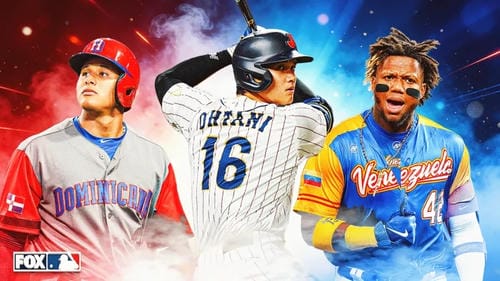
The return of the World Baseball Classic in 2026 reaffirmed the tournament’s role as the premier international competition in the sport. Held from March 5 to March 17, the event brought together many of the world’s best baseball players and national teams for a tournament that spanned four major baseball cities: Houston, Miami, San Juan, and Tokyo. Across these locations, thousands of fans witnessed dramatic games, surprising results, and the continued globalization of baseball.
The structure of the tournament emphasized both international representation and competitive intensity. Teams were divided into four pools, each hosted in a different city. Pool A played in San Juan at Hiram Bithorn Stadium, Pool B in Houston at Daikin Park, Pool C in Tokyo at the Tokyo Dome, and Pool D in Miami at loanDepot Park. After pool play concluded, the top two teams from each group advanced to the knockout rounds, with quarterfinals held in Houston and Miami before the semifinals and championship game took place in Miami.
This geographic distribution highlighted baseball’s reach across continents. Tokyo hosted some of the earliest games of the tournament, where enthusiastic crowds filled the iconic Tokyo Dome. San Juan brought a distinctly Caribbean atmosphere, with fans celebrating the region’s deep baseball tradition. Houston and Miami, meanwhile, served as the North American hubs, featuring matchups that often included Major League Baseball stars representing their home countries.
The format ensured that the competition maintained momentum from start to finish. Pool play itself was intense, as every team had limited games to secure a spot in the knockout stage. In several pools, the final standings were determined on the last day of group play. Italy emerged as a surprising force in Pool B, finishing unbeaten and securing advancement to the quarterfinals. Japan dominated Pool C with a perfect record, entering the knockout stage as one of the tournament favorites. Meanwhile, the Dominican Republic showcased one of the most powerful offensive lineups in Pool D.
One of the defining characteristics of the World Baseball Classic is the combination of national pride and professional-level competition. Unlike many international tournaments in other sports, the WBC features a large number of Major League Baseball players competing for their national teams. The result is a rare moment in which teammates during the MLB season become rivals on the international stage.
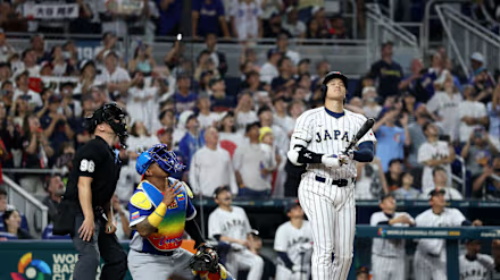
Fans in every host city experienced the emotional stakes of international baseball. Flags filled stadium seats, national anthems echoed before each game, and players often celebrated victories with visible passion rarely seen in regular-season professional leagues. For many participants, representing their country carried a significance that extended beyond statistics or standings.
The 2026 tournament also marked the twentieth anniversary of the World Baseball Classic, which was first held in 2006. Since its inception, the competition has gradually expanded both in scope and global attention. Early editions were dominated by a small group of baseball powerhouses, including Japan and the Dominican Republic. Over time, however, the competitive gap has narrowed as more countries develop elite-level players and baseball programs.
This trend was evident throughout the 2026 edition. Several teams that were not traditionally considered global powers performed well enough to challenge the favorites. Italy’s impressive run through the early stages of the tournament illustrated how countries with smaller baseball infrastructures can still assemble competitive rosters, often drawing from players with heritage connections to the nation.
Meanwhile, established baseball countries continued to showcase their deep talent pools. The United States fielded a roster filled with MLB stars, while the Dominican Republic brought one of the most feared offensive lineups in the competition. Japan, the defending champion entering the tournament, arrived with both established professionals and emerging young talent.
All of these elements combined to produce a tournament atmosphere that was both celebratory and intensely competitive. Every game carried implications not only for tournament advancement but also for the broader narrative of baseball’s global growth.
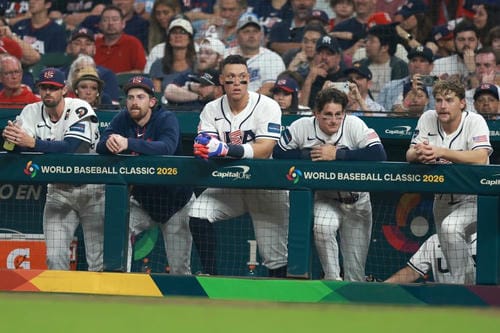
Shocking Results and Historic Performances
One of the most dramatic storylines of the 2026 World Baseball Classic was the early elimination of Japan, the defending champion. The Japanese team had entered the tournament as one of the favorites, boasting a roster that included some of the sport’s most recognizable players. During pool play, Japan looked nearly unstoppable, finishing the round undefeated and dominating opponents with both strong pitching and explosive offense.
However, the knockout stage produced one of the tournament’s biggest surprises. In the quarterfinals, Japan faced Venezuela in a game that quickly became one of the defining moments of the entire competition. Venezuela ultimately defeated Japan 8–5, ending the defending champion’s title defense and advancing to the semifinals.
The game itself featured dramatic swings in momentum. Both teams opened the contest with early offensive fireworks, including home runs from stars on both sides. Venezuela’s lineup demonstrated remarkable power and resilience, eventually taking control of the game during the middle innings. A crucial three-run home run shifted the momentum decisively, allowing Venezuela to pull ahead and hold the lead.
The Venezuelan bullpen also delivered an impressive performance. After Japan’s early offensive burst, Venezuela’s pitchers shut down the lineup over the later innings, preventing any comeback attempt. By the time the final out was recorded, the upset had already become one of the tournament’s most talked-about moments.
For Japan, the loss was a reminder of the unpredictable nature of international tournaments. Despite strong individual performances throughout the competition, including exceptional hitting statistics from some of its star players, the team could not maintain its early momentum against Venezuela’s balanced attack.

Venezuela’s victory carried significance beyond the tournament itself. By advancing deep into the competition, the team secured qualification for the baseball tournament at the 2028 Summer Olympics in Los Angeles. This achievement placed Venezuela among the first teams confirmed for the Olympic event, which will mark baseball’s return to the Olympic program after its absence from the 2024 Games in Paris.
The Dominican Republic also secured Olympic qualification during the tournament, further emphasizing the strength of baseball in the Americas. With the United States automatically qualified as the host nation, the success of Venezuela and the Dominican Republic ensured that the region would be strongly represented in the upcoming Olympic competition.
Beyond the headline upsets, the 2026 World Baseball Classic produced numerous standout individual performances. Several players delivered unforgettable games that captured the attention of fans around the world. Home runs, dominant pitching outings, and clutch defensive plays were all part of the tournament’s narrative.
In some cases, individual achievements became symbolic of the broader competitive spirit of the event. Players who were accustomed to competing within professional club structures suddenly found themselves representing national identities, often in front of passionate crowds that mirrored the atmosphere of international soccer tournaments.
The semifinal rounds further intensified the drama. In one matchup, the United States faced the Dominican Republic in a tightly contested game that remained close until the final innings. Strategic pitching decisions and key defensive plays ultimately allowed the United States to secure a narrow victory and advance to the championship game.
Meanwhile, other teams continued their surprising runs through the bracket. Italy’s deep tournament performance captured attention not only for its results but also for its broader cultural significance. The success of the Italian team sparked enthusiasm among fans in Italy and demonstrated how international tournaments can help expand baseball’s reach in countries where the sport is still developing.
By the time the tournament approached its final stage, the narrative had expanded far beyond simple wins and losses. The 2026 World Baseball Classic had become a showcase of baseball’s global identity, highlighting the diversity of playing styles and baseball cultures around the world.
About the Author:
Daniel Cross is an international sports journalist specializing in baseball and Olympic competition. After earning a degree in sports media and analytics, he spent several years covering Major League Baseball and international tournaments for digital sports outlets across North America and Asia. Cross’s work focuses on the globalization of baseball, the development of national teams, and the intersection between professional leagues and international events such as the World Baseball Classic and the Olympic Games. His reporting often blends statistical analysis with cultural insight, offering readers a deeper perspective on how the sport continues to evolve worldwide.
References:
[1] CBS Sports. (2026). World Baseball Classic 2026: How to watch, rules, pools.
[2] MLB. (2026). World Baseball Classic venues and schedule.
[3] Olympics.com. (2026). 2026 World Baseball Classic: Full schedule and results.
[4] Reuters. (2026). Venezuela stun Japan to reach WBC semi-finals.
[5] NBC Sports. (2026). Dominican Republic qualifies for LA28 Olympic baseball.
Recommend for you:

Ski Mountaineering Becomes a Defining Force in Winter Sports
When the 2026 Winter Olympics in Milano-Cortina released its competition calendar, winter sports enthusiasts witnessed a landmark moment: ski mountaineering — commonly called skimo — made its official Olympic debut.
Competitive Rock Skipping Becomes a Global Sporting Phenomenon
In the world of sports, some disciplines soar with high-speed action, dramatic finishes, and global recognition, while others quietly carve out their niche, captivating a passionate yet devoted audience.
Speed Climbing Continues to Redefine Athleticism and Captivate Audiences on the Olympic Stage
Speed climbing, a discipline of sport climbing, has captured the imagination of athletes and spectators alike due to its explosive combination of power, precision, and strategy.
How the 2026 Formula One Calendar Was Redefined by Geopolitical Turmoil?
The 2026 Formula One World Championship has experienced one of the most dramatic schedule upheavals in recent memory following the cancellation of two cornerstone races in the Middle East.