Competitive Rock Skipping Becomes a Global Sporting Phenomenon
The Emergence of a Global Phenomenon
In the world of sports, some disciplines soar with high-speed action, dramatic finishes, and global recognition, while others quietly carve out their niche, captivating a passionate yet devoted audience. Competitive rock skipping is one such sport, quietly evolving from a casual pastime enjoyed at lakesides and riversides into an organized, international event that now boasts its first official World Championships. February 2026 marked a historic turning point when athletes from across the globe gathered to showcase precision, technique, and sheer artistry in a competition that defied conventional definitions of athleticism.
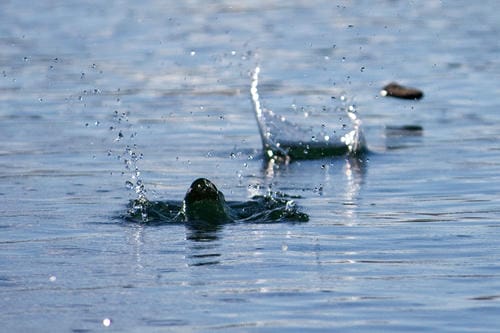
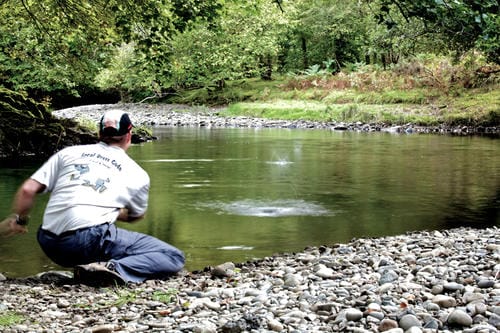
The concept of competitive rock skipping might initially appear whimsical or even trivial to the uninitiated. The sport, at its core, is deceptively simple: competitors attempt to throw flat stones across water in such a manner that they bounce repeatedly before sinking. Yet, beneath this apparent simplicity lies a nuanced and highly technical discipline. Success in competitive rock skipping demands mastery over a variety of elements, including the angle of release, rotational speed, wrist snap, and the physical characteristics of the chosen stone. Experienced skippers carefully select stones with optimal shape, weight, and surface texture, often favoring slightly irregular stones that offer the perfect balance between spin and buoyancy.
This meticulous attention to detail mirrors the evolution of other niche sports, which have historically transitioned from recreational activities to formal competitions. The inaugural World Championships provided a platform for enthusiasts to measure skill on a global scale, fostering camaraderie among participants while simultaneously creating a structured environment for the sport to grow. The event's organizers emphasized that competitive rock skipping is not simply a contest of physical ability but also of strategy, physics understanding, and patience.

Spectators were introduced to the fascinating interplay of hydrodynamics and biomechanics, appreciating how minor adjustments in throw angle could dramatically increase the number of successful skips.
Technique, Training, and the Science of Skipping
The athleticism required for competitive rock skipping is often underestimated. Participants train rigorously, combining traditional physical conditioning with specialized techniques designed to enhance their stone-throwing performance. Unlike conventional throwing sports, the challenge lies not merely in distance or speed but in controlling the stone’s interaction with the water’s surface. Many top competitors undergo extensive drills to perfect their release angle, which is typically around 20 degrees, a figure that has been mathematically optimized to maximize skips while minimizing water resistance. Training routines often include wrist-strength exercises, rotational drills, and precise timing practice to ensure consistency under competitive pressure.
Scientific inquiry into the mechanics of rock skipping has accelerated in parallel with the sport's formalization. Researchers in sports physics have analyzed factors such as spin rate, stone curvature, and water surface tension, producing sophisticated models that predict optimal throwing conditions. These insights have been embraced by athletes seeking to refine their technique, turning the sport into a unique intersection of art, science, and athletic prowess. The World Championships included demonstrations of advanced throwing methods, showcasing high-spin throws that achieved double-digit skips across the surface of calm waters. Competitors reported that mental preparation was equally crucial; focus, visualization, and repeated practice play vital roles in ensuring peak performance.
Beyond individual skill, competitive rock skipping also fosters a sense of community. Enthusiasts share tips on stone selection, throwing methods, and training regimens, cultivating a collaborative environment that contrasts with the hyper-competitive ethos found in some mainstream sports. Online forums and social media groups have emerged as central hubs for exchanging strategies and celebrating achievements, with video analysis playing a key role in the modern approach to skill development. Through these channels, newcomers gain access to techniques that once required years of mentorship, accelerating the sport's international growth and drawing in participants from regions where traditional throwing sports might dominate.

Global Impact and Future Prospects
The debut of the World Championships in February 2026 signaled not only the maturation of competitive rock skipping but also its potential for broader recognition in the global sporting landscape. Athletes from more than 25 countries participated, reflecting the sport’s rapid international expansion. The event drew enthusiasts, media attention, and curiosity from those previously unfamiliar with the discipline, highlighting its potential to evolve into a spectator sport with a dedicated fan base. The format of the competition incorporated multiple rounds, including distance-based contests and artistic style categories, where precision and creativity were rewarded alongside sheer technical skill.
Sponsorship and media coverage of competitive rock skipping have begun to follow the sport’s growth. Early partnerships with outdoor equipment companies, sportswear brands, and technology firms specializing in motion analysis demonstrate that commercial interest is aligning with athlete development. Documentaries and streaming broadcasts introduced wider audiences to the elegance and strategy involved in stone skipping, providing context that transformed what many might assume is a simple leisure activity into a highly nuanced and competitive discipline. In addition, the World Championships sparked interest among educational institutions, with physical education programs exploring rock skipping as a means to engage students in physics, biomechanics, and sportsmanship simultaneously.
Looking ahead, competitive rock skipping faces both opportunities and challenges. Expansion will depend on standardizing rules, ensuring accessibility to newcomers, and maintaining the sport’s delicate balance between scientific precision and recreational enjoyment. Experts suggest that regional competitions and youth programs will be pivotal in cultivating future champions while preserving the sport’s grassroots appeal. As the sport continues to grow, there is optimism that rock skipping could eventually be included in multi-sport events or even the Olympics, much like skateboarding and sport climbing have done in recent years. With its unique combination of skill, science, and cultural appeal, competitive rock skipping is poised to redefine what is possible when an unconventional pastime ascends to the global stage.
The World Championships’ debut will likely be remembered as a landmark event that transformed how athletes and audiences perceive the art of skipping stones. From the carefully calculated throws to the global gathering of enthusiasts, the event demonstrated that even the simplest-seeming recreational activities can evolve into highly competitive and technically demanding sports. As the sport continues to expand, both participants and spectators can anticipate a future in which competitive rock skipping not only challenges the boundaries of skill and science but also inspires a new generation of athletes to find excellence in the most unexpected places.
About the Author :
Madeline Shaw is a seasoned sports journalist and biomechanics enthusiast, with over a decade covering niche and emerging sports worldwide. She holds a Master’s degree in Kinesiology and has contributed to leading publications such as Global Sports Review and Innovative Athletics Journal. Madeline specializes in the intersection of athletic performance and science, bringing meticulous analysis and insider perspectives to her reporting.
References:
[1] International Rock Skipping Association. (2026). World Championships debut in February.
[2] Smith, J. (2025). The physics behind the perfect skip. Journal of Sports Science, 12(4), 215–230.
[3] Thompson, L. (2026, February 10). Competitive rock skipping takes the world by storm. Global Sports Review.
[4] Wilson, R. (2025). Stone selection and technique in elite rock skipping. Sports Engineering, 18(3), 145–159.
Recommend for you:

Mesfin Abebe Sets New Marathon Record in Barcelona
In a performance that will be remembered for years, Ethiopian long-distance runner Mesfin Abebe shattered expectations at the 2026 Barcelona Marathon, setting a new world record in the process.
Global Rivalries and Olympic Dreams Shape the 2026 World Baseball Classic
The return of the World Baseball Classic in 2026 reaffirmed the tournament’s role as the premier international competition in the sport.
Ski Mountaineering Becomes a Defining Force in Winter Sports
When the 2026 Winter Olympics in Milano-Cortina released its competition calendar, winter sports enthusiasts witnessed a landmark moment: ski mountaineering — commonly called skimo — made its official Olympic debut.
Record-Breaking Momentum Shapes the Early 2026 Athletics Season
The early months of the 2026 athletics calendar have already delivered a series of performances that hint at a remarkable year ahead for track and field.