
Speed Climbing Continues to Redefine Athleticism and Captivate Audiences on the Olympic Stage

The Mechanics Behind Human Vertical Sprinting
Speed climbing, a discipline of sport climbing, has captured the imagination of athletes and spectators alike due to its explosive combination of power, precision, and strategy. Unlike traditional climbing, which often prioritizes endurance or technical skill over sheer velocity, speed climbing is a race against both the clock and an opponent. Athletes ascend a standardized 15-meter wall as quickly as possible, aiming to touch the top within seconds. At the elite level, times have dropped to astonishing levels, with record holders completing the climb in under six seconds. Such feats are the result of meticulous scientific training, physiological conditioning, and biomechanical analysis.
The foundation of speed climbing lies in understanding the human musculoskeletal system. Climbers rely heavily on explosive leg power to launch off holds and dynamic arm strength to propel themselves upward efficiently. Core stability is essential to maintain body alignment and reduce wasted energy during rapid movements. Kinetics studies show that elite climbers maximize the transfer of force through their limbs, optimizing every movement for speed while maintaining a controlled trajectory along the wall. Even the smallest adjustment in hand placement or foot position can affect completion times by fractions of a second, highlighting the importance of neuromuscular precision.
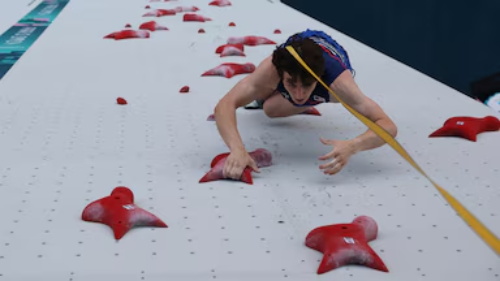
Reaction time is another critical factor. Competitors must respond instantly to the starting signal while maintaining a mental map of the climbing route memorized through rigorous repetition. Research on motor learning suggests that repeated practice strengthens neural pathways, allowing athletes to execute complex sequences with minimal conscious thought. This “muscle memory” reduces hesitation and enhances coordination, translating to faster overall times. Furthermore, elite climbers often engage in plyometric training, which enhances the stretch-shortening cycle in muscles, improving their ability to generate rapid, explosive movements critical for vertical sprinting.
Integrating Technology and Training Innovations
Modern speed climbing is as much a product of technological innovation as it is of athletic prowess. Motion capture systems, force sensors, and high-speed cameras allow coaches and sports scientists to dissect every element of a climb. By analyzing joint angles, grip forces, and body trajectories, athletes can identify inefficiencies and adjust their techniques accordingly. Many top climbers use wearable devices to monitor heart rate variability, muscle activation, and fatigue levels during training. These insights inform personalized conditioning regimens that optimize power output, reduce the risk of injury, and enhance recovery.
In addition to physical conditioning, psychological preparation plays a pivotal role. Mental rehearsal, visualization techniques, and stress inoculation training are common methods employed by elite climbers to manage the intense pressure of competition. Cognitive load studies indicate that athletes who mentally simulate their climbs experience improved reaction times and decision-making under stress. Visualization allows climbers to anticipate challenges, streamline movements, and maintain focus on the most efficient path up the wall.

Training programs have evolved to reflect the unique demands of the Olympic format. Unlike traditional climbing competitions with variable routes, Olympic speed climbing utilizes a standardized wall and holds, allowing for precise benchmarking and performance tracking. Coaches now emphasize sprint-specific regimens, including short-burst interval exercises, dynamic stretching routines, and explosive weightlifting movements. Nutrition and recovery strategies are tailored to sustain peak power output over repeated climbs, as Olympic events often involve multiple heats within a single day.
Speed Climbing’s Journey to Olympic Recognition
The journey of speed climbing from niche sport to Olympic spectacle exemplifies the increasing global recognition of climbing disciplines. Sport climbing made its Olympic debut at Tokyo 2020, combining three disciplines—speed, bouldering, and lead—into a single medal event. While this combined format was innovative, it posed unique challenges for speed specialists, whose training focuses almost exclusively on rapid ascent rather than endurance or problem-solving. By Paris 2024, the International Olympic Committee separated speed climbing into its own medal event, acknowledging its distinct athletic demands and the growing fan interest in the discipline.
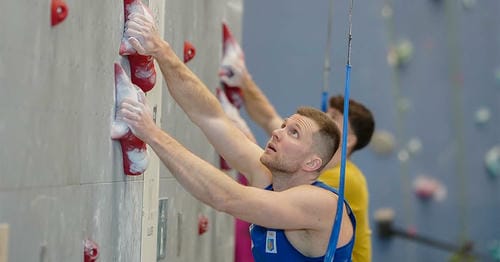
The Olympic evolution of speed climbing has accelerated its professionalization worldwide. National federations now invest in specialized coaching, scouting, and youth development programs aimed at cultivating the next generation of elite climbers. Sponsorship deals have surged, with outdoor brands and performance gear companies recognizing the sport’s dynamic appeal and global audience. International competitions now attract thousands of spectators both in-person and through live streaming, highlighting the sport’s visual excitement and competitive intensity.
Speed climbing’s Olympic trajectory also underscores broader trends in sports science and athlete development. Data-driven performance analysis, individualized training regimens, and technological integration have all contributed to record-breaking performances and higher levels of competition. Beyond medals and accolades, these innovations have elevated safety standards and promoted sustainable athletic careers, ensuring that athletes can maintain peak performance while minimizing injury risks. Additionally, the sport’s accessibility—requiring minimal equipment beyond climbing shoes, chalk, and a standardized wall—has encouraged wider participation and community engagement, further embedding speed climbing into the global sporting landscape.

With every incremental improvement in training techniques, equipment design, and biomechanical insight, speed climbers continue to push the boundaries of human vertical velocity. The sport embodies a synthesis of raw athleticism, meticulous preparation, and scientific innovation. Its rapid evolution, particularly within the Olympic arena, offers a compelling glimpse into the future of competitive climbing, where milliseconds separate champions from challengers and technology intersects seamlessly with human potential.
About the Author:
Morgan Hale is a seasoned sports journalist and climbing enthusiast with over a decade of experience covering competitive climbing and Olympic sports. Having collaborated with international climbing federations and contributed to leading outdoor and athletic publications, Hale specializes in translating complex sports science into engaging stories for fans and athletes alike. Her work often focuses on the intersection of performance innovation, athlete development, and the evolving landscape of niche sports on the world stage.
References::
[1] International Federation of Sport Climbing. (2023). Speed climbing: Rules and regulations.
[2] Sheppard, J. M., & Young, W. B. (2006). Agility literature review: Classifications, training, and testing. Journal of Sports Sciences, 24(9), 919–932.
[3] Watts, P. B. (2004). Physiology of difficult rock climbing. European Journal of Applied Physiology, 91(4), 361–372.
[4] Olympic Channel. (2024). Speed climbing at the Paris 2024 Olympics.
Recommend for you:

Competitive Cheese Rolling Remains One of the Most Thrilling Traditional Sporting Spectacles
Every year, on a steep hillside in Gloucestershire, England, participants gather for an event that seems almost absurd at first glance: they chase a wheel of cheese down a dangerously sharp slope.
The Evolution of Sports Media: From Cable Networks to Streaming Dominance
The sports broadcasting industry is undergoing one of the most significant transformations in recent history.
Triumph on Ice and Snow: Highlights from the 2026 Winter Paralympics
The 2026 Winter Paralympics in Milan and Cortina d’Ampezzo offered an unforgettable display of skill, resilience, and determination, cementing the Games’ status as a premier global sporting event.
Ski Mountaineering Becomes a Defining Force in Winter Sports
When the 2026 Winter Olympics in Milano-Cortina released its competition calendar, winter sports enthusiasts witnessed a landmark moment: ski mountaineering — commonly called skimo — made its official Olympic debut.