Ski Mountaineering Becomes a Defining Force in Winter Sports
New Horizons on the Slopes: Ski Mountaineering’s Olympic Leap
When the 2026 Winter Olympics in Milano-Cortina released its competition calendar, winter sports enthusiasts witnessed a landmark moment: ski mountaineering — commonly called skimo — made its official Olympic debut. This addition is more than a simple expansion of the Games’ roster; it marks a philosophical shift in winter sports, blending traditional Alpine athleticism with modern adventure sport culture. The Olympic inclusion of skimo could influence how winter sports are structured, broadcast, and perceived worldwide for decades to come.
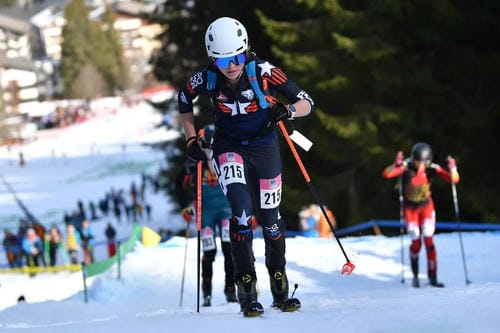
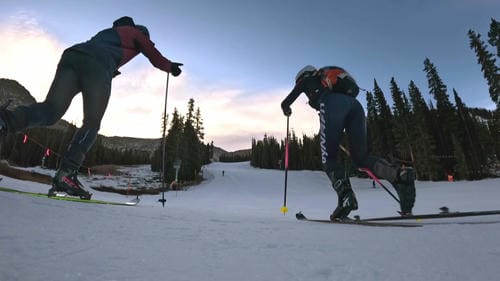
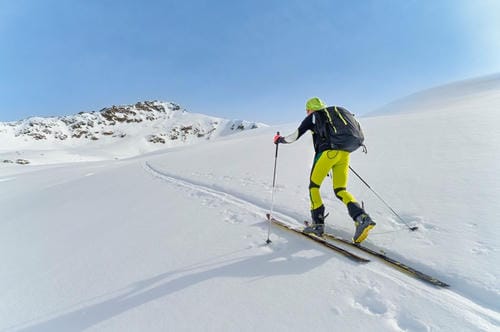
Ski mountaineering is a sport that tests an athlete’s full spectrum of physical and mental skills. Competitors traverse challenging mountain terrain using a combination of uphill skiing, bootpacking (where skis are carried on the back while climbing on foot), and technical downhill skiing. Lightweight skis with skins attached to their bases allow athletes to grip uphill slopes, while specialized bindings and boots enable quick transitions from climbing to skiing. The combination of endurance, strength, agility, and tactical efficiency makes skimo a discipline that demands both physical prowess and sharp decision-making under extreme conditions.
Historically, ski mountaineering emerged from practical Alpine travel. For centuries, people living in mountain regions used skis not only for recreation but as a means to navigate snowy landscapes for transportation, hunting, and survival. Competitive skimo began formalizing in the late 20th century, primarily in Europe, eventually producing national circuits, world championships, and a governing body: the International Ski Mountaineering Federation (ISMF). These competitions emphasized endurance over long courses, often with significant vertical gain and technical complexity. The Olympic debut condenses these challenges into spectator-friendly formats while still preserving the essence of the sport.
Olympic Debut and Competition Format
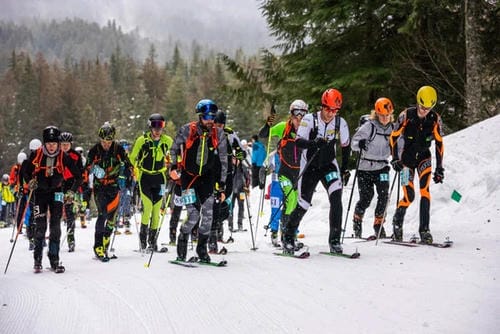
The 2026 Winter Olympics featured three ski mountaineering events: men’s sprint, women’s sprint, and a mixed relay, all staged at the Stelvio Ski Centre in Bormio, Italy. Unlike traditional alpine skiing events, which unfold entirely on groomed pistes, ski mountaineering incorporates natural terrain with uphill climbs, downhill skiing, and transitions between the two. Sprint races, lasting only a few minutes, compress the sport’s defining elements—ascents, technical transitions, and rapid descents—into an intense, high-paced showcase. Athletes must not only move quickly but execute transitions flawlessly, where efficiency in changing from climbing mode to downhill mode can determine victory.
While the sprint format was chosen for television and scheduling purposes, it has sparked debate among skimo purists. Traditionalists argue that short-format Olympic sprints shift emphasis away from endurance and the strategic navigation of long, mountainous routes, focusing instead on technical transitions. Classic skimo races, often lasting multiple hours or even a full day, emphasize stamina, route selection, and adaptability to changing snow and weather conditions. Olympic sprints, although exciting for spectators, represent a streamlined version of these historical contests. Nonetheless, this adaptation reflects the International Olympic Committee’s (IOC) efforts to balance authenticity with accessibility for global audiences and media broadcasting constraints.
Growing Visibility and Cultural Impact
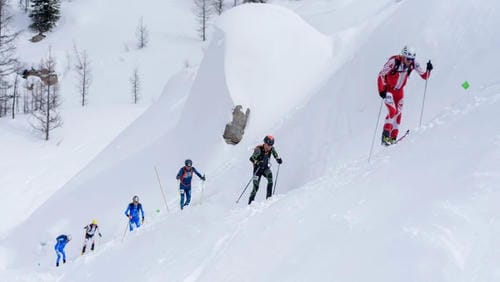
The sport’s inclusion in the Olympics offers unprecedented visibility. Before 2026, ski mountaineering remained relatively obscure outside specialized European mountain communities and select global circuits. Its youth Olympic debut at the 2020 Lausanne Games introduced it to younger audiences, but the main Olympic stage provides unparalleled exposure. Historical data show that sports receiving Olympic status experience notable increases in participation, sponsorship, and media coverage. For skimo, this can translate into funding for national teams, professional contracts for athletes, and increased interest from recreational skiers seeking backcountry adventure. The Olympics, therefore, act not only as a competition venue but also as a catalyst for sport development.
Ski mountaineering’s Olympic exposure also challenges traditional perceptions of winter sports. For decades, the Winter Olympics have been dominated by visually polished and media-friendly disciplines such as alpine skiing, figure skating, snowboarding, and ice hockey. Skimo, by contrast, emphasizes raw interaction with mountainous terrain, endurance, and self-sufficiency. Its prominence could inspire a broader cultural shift toward adventure and backcountry participation, encouraging winter athletes to explore less-commercialized snow environments. Recreational skiing may see greater interest in touring and backcountry experiences, bridging the gap between competitive and recreational participation.
Environmental, Economic, and Safety Considerations
The inclusion of ski mountaineering also intersects with broader trends in winter sports related to climate change and environmental awareness. Snow reliability in traditional winter sport regions is increasingly unpredictable, forcing organizers and athletes to adapt. Ski mountaineering, less dependent on groomed runs and artificial snow, exemplifies a sport that thrives in natural conditions and challenges athletes to adapt to variable terrain. Its growth could influence how future winter sports are structured, both in competition and media representation, favoring events that highlight environmental adaptability and authentic mountain experiences.
Athletes themselves experience profound impacts from the Olympic debut. Skimo requires unique training regimes that blend endurance running, cycling, and strength conditioning with mountaineering skills. Olympic recognition allows athletes to access more professional resources, from coaching to sports science, and can increase opportunities for sponsorship and funding. Additionally, the visibility encourages talent development in countries without long-standing ski mountaineering traditions, potentially diversifying the competitive field. Emerging athletes may be inspired by the prospect of Olympic glory in a sport that celebrates holistic mountain mastery rather than single-discipline specialization.
Moreover, the sport’s Olympic debut reflects a strategic attempt by the IOC to attract younger and more adventurous audiences. Adventure-oriented, dynamic sports with visible athletic versatility, like skimo, appeal to millennials and Gen Z viewers, who increasingly value experiences and authenticity over spectacle. The sport’s fast-paced sprint format, combined with technical skill and natural terrain, aligns with contemporary media trends favoring short, dramatic, and visually compelling content suitable for online streaming and social media platforms.
In addition to athletic and audience impacts, the debut has economic implications. Ski mountaineering events require specialized venues, gear, and infrastructure, providing opportunities for tourism and local economies in host regions. Bormio’s hosting of the skimo events brought international attention to the Stelvio Ski Centre, highlighting the potential for Olympic events to catalyze investment in winter sports infrastructure, even in smaller Alpine towns. The sport’s growth may encourage further integration of adventure tourism with competitive sports, offering new revenue streams for mountain regions.
Ski mountaineering also raises questions about safety and regulation. The sport inherently involves high-risk environments, from steep ascents to avalanche-prone terrain. Olympic inclusion necessitates rigorous standards for athlete safety, course design, and emergency response, setting a benchmark for broader competitive and recreational participation. These regulations may influence how backcountry skiing and mountaineering are approached globally, emphasizing risk management alongside performance.
The psychological demands of ski mountaineering are equally profound. Athletes must make rapid decisions under physical duress, evaluating terrain, snow quality, and pacing strategies while fatigued. This mental dimension, often underappreciated in traditional winter sports coverage, becomes more visible through Olympic broadcasts, potentially inspiring a new appreciation for the cognitive demands of endurance mountain sports. Viewers witness not only physical skill but also strategic thinking and resilience in challenging natural conditions.
Overall, ski mountaineering’s Olympic debut is a multifaceted development. It transforms the competitive landscape, elevates the sport’s visibility, influences public engagement with mountain sports, and intersects with environmental and cultural trends shaping winter athletics. From athletes and spectators to organizers and sponsors, the ripple effects of skimo’s Olympic inclusion promise to extend far beyond Milano-Cortina 2026.
About the Author:
Tessa Monroe is an award-winning winter sports journalist and competitive backcountry skier with over a decade of experience covering alpine and endurance disciplines for leading outdoor and sports publications. A graduate of the University of Colorado Boulder with a degree in Journalism and Communications, she has reported from World Cup circuits, international mountaineering events, and multiple Winter Olympic Games. Tessa specializes in the intersection of sport culture, athlete performance, and adventure sports, delivering in-depth analysis and athlete-focused storytelling for outlets including Ski Magazine, Outside, and Alpinist.
References:
[1] Ski mountaineering | Skimo, Olympics, Equipment, Course, Competition, Sport, Distance, & History. (2026, February 2). Britannica.
[2] Oldest winter sport SkiMo finally joins Games, with a twist. (2026, January 22). Reuters.
[3] Ski mountaineering is new in the Olympics. Here’s how it works. (2026). NBC Chicago.
[4] What Is Skimo? The Newest Olympic Sport Has a Long History in Europe. (2026). Smithsonian Magazine.
Recommend for you:

Sander Eitrem’s Historic Sub-Six-Minute 5000m
When Sander Eitrem sprinted across the ice at the 2025–26 ISU Speed Skating World Cup in Inzell, Germany, on January 24, 2026, he didn’t just win a race — he rewrote the history of long-distance speed skating.
Global Rivalries and Olympic Dreams Shape the 2026 World Baseball Classic
The return of the World Baseball Classic in 2026 reaffirmed the tournament’s role as the premier international competition in the sport.
How Virtual Reality Is Revolutionizing Athletic Training?
Athletic training has always been defined by the relentless pursuit of marginal gains—small improvements in performance that can make the difference between victory and defeat.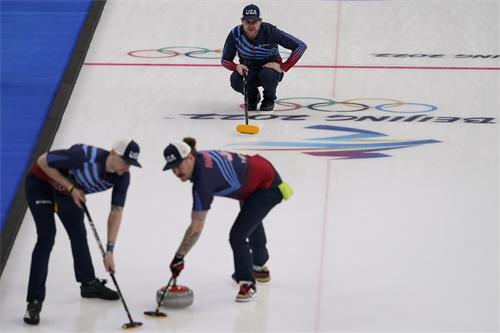
Why Curling Is Now a Truly Global Winter Sport?
For most of its long history, curling was seen as a sport of specific regions — a game of strategy played on ice in countries with cold climates, a traditional pastime in Scotland and a cultural cornerstone in Canada.