
Caitlin Clark Shines as USA Women’s Team Flexes Strength in Preseason Friendlies
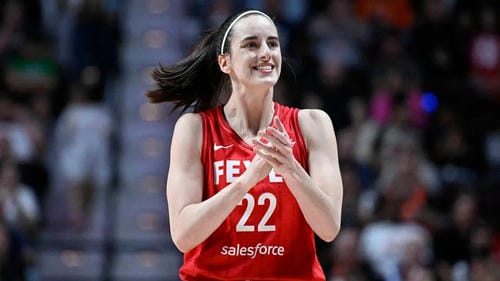
Clark’s Star Power Drives Team Performance
Caitlin Clark once again proved why she is considered one of the brightest talents in women’s basketball during the USA Women’s National Team’s recent friendly series. In a string of exhibition games leading up to major international tournaments, Clark dominated on the court, combining a versatile scoring ability with leadership that elevated her teammates. Throughout the series, she averaged an impressive 28 points per game, while also contributing crucial assists and rebounds that underscored her all-around impact.
What sets Clark apart is her ability to read the game in real-time, anticipating defensive shifts and creating scoring opportunities not only for herself but for her teammates. Observers noted her remarkable court vision, particularly in transitional plays, where she often found open shooters or executed precise drives that forced opponents into difficult defensive decisions. Analysts and coaches alike praised her composure under pressure, highlighting moments in the series when Clark’s performance turned games decisively in the USA’s favor.

Beyond the stat sheet, Clark’s influence on team morale was equally significant. She consistently encouraged younger teammates, communicated effectively during timeouts, and demonstrated a professionalism that set the tone for the entire roster. These intangible contributions, combined with her undeniable talent, were critical factors in the USA Women’s team posting large-margin victories in each of the series’ matchups.
Team Cohesion and Tactical Execution
While Clark was the standout, the success of the USA Women’s team in these friendly games was also a reflection of cohesive team play and strategic preparation. The coaching staff implemented a fast-paced, motion-heavy offensive system that leveraged the team’s depth and athleticism, creating opportunities for multiple players to score and share playmaking responsibilities. This approach allowed Clark to thrive, but also emphasized the importance of balanced contributions across the roster.
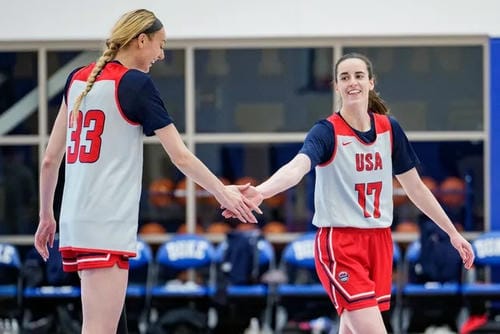
Defensively, the team exhibited a combination of aggressive perimeter pressure and disciplined interior coverage. The defensive schemes were designed to limit opposing star players while creating turnover opportunities that could lead to fast-break scoring. Several games showcased the effectiveness of this approach, with opponents struggling to maintain consistent offensive rhythm against the USA’s versatile defense. Clark herself contributed significantly on the defensive end, recording steals and contested shots that demonstrated her commitment to both ends of the court.
The series also served as a valuable opportunity for the coaching staff to experiment with rotations and lineups ahead of more competitive international matchups. Young prospects received meaningful playing time, learning to integrate into the team’s system while benefiting from mentorship by veteran players. Analysts noted that this blend of experience and youth could become a strategic advantage for the USA team, as it creates depth and adaptability for different in-game situations.
Momentum Building Ahead of International Competition
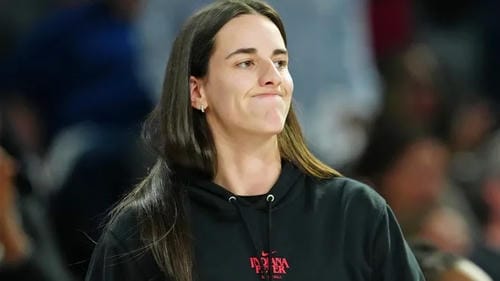
These friendly games were not only about winning but also about establishing momentum and refining strategies for upcoming high-stakes tournaments. Clark’s performances sent a clear message to fans and competitors alike: the USA Women’s team is entering the season with both confidence and versatility. The exhibition series offered insight into how the team might approach challenges in international competition, with an emphasis on fluid ball movement, disciplined defense, and the ability to adjust dynamically to opponents’ tactics.
The success of the series also highlighted the importance of leadership both on and off the court. Clark’s role as a key figure extended beyond scoring; she modeled work ethic, resilience, and the ability to perform under scrutiny—qualities essential for teams aiming for championship-level success. As the USA Women’s team transitions from friendly matches to tournaments with global stakes, the lessons learned and the cohesion developed during these exhibitions will likely serve as foundational elements in their pursuit of international titles.
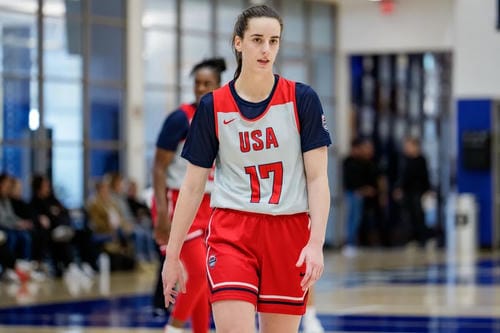
In sum, Caitlin Clark’s stellar individual performance, combined with the team’s tactical cohesion and strategic experimentation, resulted in a series of dominant displays that set the tone for the USA Women’s National Team’s upcoming competitive season. Observers can expect that the confidence and momentum gained during these friendly games will translate into compelling performances on the international stage.
About the Author:
Arrow Sinclair is a veteran sports journalist specializing in basketball analysis and women’s athletics. With over a decade of experience covering collegiate and professional leagues, she has contributed to publications such as Sports Illustrated and ESPNW. Known for her in-depth tactical breakdowns and player-focused storytelling, Arrow provides readers with insights into the strategies, skills, and personalities shaping the modern game.
References:
[1] USA Basketball. (2026). Women’s National Team exhibition games recap.
[2] ESPN. (2026). Caitlin Clark leads USA women’s team to dominating wins in friendly series.
[3] Bleacher Report. (2026). Analyzing Clark’s performance and team dynamics in exhibition matches.
[4] Sports Illustrated. (2026). USA Women’s team uses preseason friendlies to build cohesion.
Recommend for you:

Competitive Rock Skipping Becomes a Global Sporting Phenomenon
In the world of sports, some disciplines soar with high-speed action, dramatic finishes, and global recognition, while others quietly carve out their niche, captivating a passionate yet devoted audience.
When Algorithms Call the Plays: The Rise of AI in Sports Coaching
Artificial intelligence has made its presence felt in nearly every sector of modern life, and the world of sports is no exception.
Digital Tools Elevate Judging Accuracy in Dance and Gymnastics
Motion capture, often abbreviated as MoCap, has transitioned from a niche tool in film and animation into a transformative force in competitive sports like dance and gymnastics.
Triumph on Ice and Snow: Highlights from the 2026 Winter Paralympics
The 2026 Winter Paralympics in Milan and Cortina d’Ampezzo offered an unforgettable display of skill, resilience, and determination, cementing the Games’ status as a premier global sporting event.