Triumph on Ice and Snow: Highlights from the 2026 Winter Paralympics
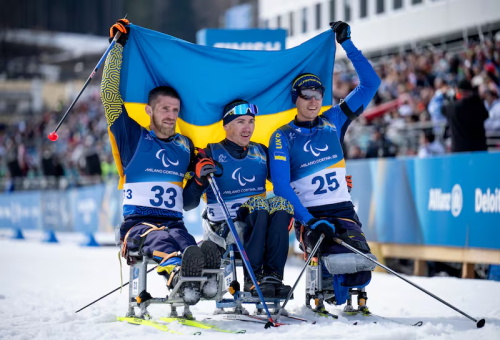
Record-Breaking Performances and Athletic Excellence
The 2026 Winter Paralympics in Milan and Cortina d’Ampezzo offered an unforgettable display of skill, resilience, and determination, cementing the Games’ status as a premier global sporting event. More than 600 athletes from 55 nations competed in disciplines including para alpine skiing, cross-country skiing, biathlon, snowboarding, and para ice hockey. This edition of the Paralympics marked one of the largest gatherings in Winter Games history, showcasing both the growing inclusivity of adaptive sports and the increasingly competitive standards across disciplines.
Para alpine skiing was a highlight of the Games, attracting widespread attention for its speed, precision, and technical difficulty. Austrian skier Veronika Aigner emerged as a standout performer, claiming multiple medals and demonstrating mastery across slalom, giant slalom, and super-G events. Her ability to navigate icy, high-speed descents while maintaining precise form reflects years of rigorous training and experience. Fellow competitors from countries including Switzerland, Canada, and Norway also delivered impressive results, pushing the boundaries of what adaptive alpine skiing can achieve.
Cross-country skiing and para biathlon provided some of the most inspiring moments of endurance and mental toughness. American athlete Oksana Masters continued her remarkable streak of high-level performances, capturing multiple medals across cross-country distances and biathlon events. Masters’ success is rooted in exceptional cardiovascular conditioning, flawless technique, and race strategy that allows her to adapt to dynamic course conditions. Alongside Masters, American skier Jake Adicoff also stood out for his remarkable performances, especially in sprint and distance events, helping the United States secure a significant medal haul.
China continued its meteoric rise in the Winter Paralympic landscape, topping the medal table through a combination of depth, precision, and technical excellence. Chinese athletes dominated both cross-country skiing and snowboarding events, setting multiple Paralympic records in the process. Their program demonstrates a consistent focus on adaptive athlete development, incorporating advanced sports science, specialized coaching, and state-of-the-art equipment technology. China's performance at Milan–Cortina signals a new era in Paralympic competition, where nations invest heavily in systems to support elite adaptive athletes.
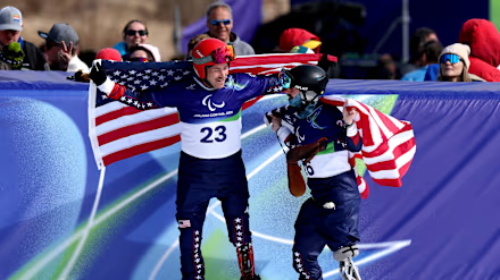
Para snowboarding also captured global attention. Athletes tackled snowboard cross and banked slalom courses with remarkable agility and technical skill. Competitors like Canada’s Tyler Turner and Japan’s Tsubasa Kitamura executed complex maneuvers while negotiating tight turns and variable snow conditions, making the events as thrilling as they were technically demanding. Spectators were treated to a visual spectacle of speed, balance, and aerial acrobatics that showcased the athleticism and creativity inherent in adaptive snowboarding.
Ski cross events were particularly dramatic, with tight finishes and unpredictable results demonstrating the razor-thin margins that define elite Paralympic competition. Athletes such as Germany’s Anna-Lena Forster and Norway’s Rikke Iversen became crowd favorites, combining explosive speed with careful tactical decisions. Their performances exemplified the combination of mental acuity and physical conditioning necessary to excel in high-pressure competitive environments.
Para Ice Hockey and Team Triumphs
Para ice hockey continues to be one of the most anticipated events at the Winter Paralympics due to its fast pace, physicality, and competitive intensity. The 2026 tournament did not disappoint, providing fans with dramatic moments, hard-fought matches, and unforgettable goals. The United States emerged victorious, capturing the gold medal in a series of high-stakes games that showcased teamwork, strategy, and athletic courage.
Throughout the tournament, several games were decided in overtime or via shootouts, highlighting the parity among top-level teams. Canada, Norway, and South Korea each delivered strong performances, advancing through intense preliminary rounds and demonstrating the growing global competitiveness of para ice hockey. U.S. goaltender Andrew Lapthorne played a pivotal role, making critical saves under intense pressure, while team captain Luke McDermott led offensive plays that ultimately secured the gold medal.
Other team-based events highlighted the importance of collaboration and strategic cohesion. Mixed-gender relay events in cross-country skiing demanded both speed and seamless coordination among teammates. Athletes had to balance pace with endurance while maintaining efficient transitions, particularly in the 4x2.5 km relay, where medals were often decided by mere seconds. Similarly, team events in snowboarding emphasized synchronized timing and course awareness, underscoring the growing sophistication of team competition in adaptive sports.
Innovation, Growth, and Global Engagement
The 2026 Winter Paralympics demonstrated substantial progress in technological innovation and accessibility. Advances in adaptive equipment played a major role in athletes’ ability to perform at elite levels. Sit-skis, prosthetics, and sledges have become lighter, more responsive, and better customized to individual athletes, allowing competitors to optimize performance without sacrificing safety. Such innovations also enhance inclusivity by making sports more accessible to athletes with varying degrees of mobility or impairment.
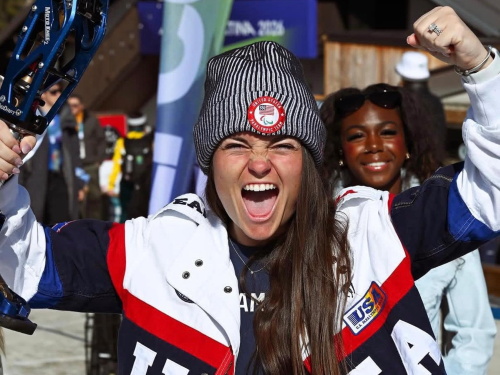
Female participation reached record levels at Milan–Cortina, reflecting ongoing efforts to make Paralympic sports more inclusive and diverse. Competitors such as Anna-Lena Forster and Veronika Aigner have become role models for aspiring athletes, showcasing the opportunities available to women in adaptive winter sports. Gender parity initiatives, combined with targeted athlete development programs, have contributed to both competitive success and broader representation across the Games.
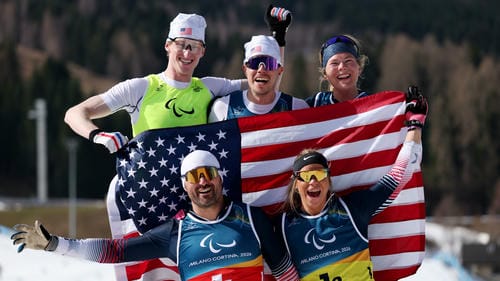
Environmental factors also played a pivotal role in shaping performance. Variable snow conditions, high-altitude courses, and fluctuating temperatures demanded strategic adaptability and technical versatility from athletes. Competitors adjusted their skiing techniques, snowboarding lines, and pacing strategies to cope with course conditions, illustrating not only physical skill but also mental resilience. These environmental challenges, while difficult, added an element of unpredictability that elevated the excitement and competitiveness of each event.
Global engagement with the 2026 Winter Paralympics reached unprecedented levels. Millions of viewers tuned in via digital streaming platforms, while in-person attendance at venues across Milan and Cortina set new records for Winter Paralympic spectator numbers. Media coverage emphasized not only medal counts but also athlete narratives, personal triumphs, and technical innovation, drawing attention to the broader significance of adaptive sports. Social media platforms amplified these stories, generating international discussion and increasing awareness of Paralympic achievements.

In addition to established events, new or restructured competitions further showcased the evolution of the Games. Adaptive snowboarding slopestyle, for example, introduced a scoring system that emphasized technical difficulty and creativity, rewarding athletes who executed daring tricks with precision. Similarly, cross-country skiing courses incorporated more complex terrain features, challenging competitors to demonstrate both endurance and technical mastery.
Overall, the 2026 Winter Paralympics stood as a testament to human capability, determination, and innovation. From record-breaking alpine descents to intense para ice hockey showdowns, the Games celebrated athletic excellence while inspiring audiences worldwide. Each race, match, and descent underscored the dedication, skill, and spirit that define the Paralympic movement, solidifying Milan and Cortina d’Ampezzo as memorable hosts for one of the most remarkable editions of the Winter Paralympic Games.
About the Author:
Ethan Cole is a sports journalist and adaptive sports analyst with over ten years of experience covering winter competitions. Specializing in the Paralympic Games and international adaptive sport, Cole combines in-depth technical knowledge with firsthand reporting from major events in Europe and North America. His writing highlights athletic performance, innovation in adaptive equipment, and the growing global impact of winter Paralympic sports.
References
[1] Associated Press. (2026). Milan-Cortina Paralympics end with historic performances. AP News.
[2] The Guardian. (2026). Milano Cortina Winter Paralympics showcase record participation and achievements.
[3] Reuters. (2026). Winter Paralympics 2026: standout
[4] Eurosport. (2026). China tops medal table at Winter Paralympics; USA wins para ice hockey gold.
[5] AP News. (2026). Adaptive winter sport continues evolution with new records and female participation.
Recommend for you:

Wearable Technology Predicts Athlete Injuries Before They Happen
In the world of competitive sports, injuries have always been a major concern. Athletes push their bodies to extremes, testing endurance, strength, and agility.
Global Rivalries and Olympic Dreams Shape the 2026 World Baseball Classic
The return of the World Baseball Classic in 2026 reaffirmed the tournament’s role as the premier international competition in the sport.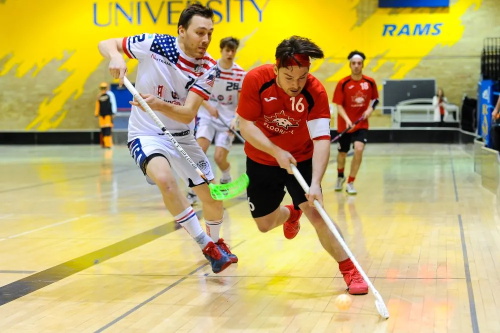
Floorball’s Rapid Growth and Why It Could Become the Next Global Indoor Sport.
Floorball’s ascent from a modest indoor game to one of the world’s fastest-growing sporting activities is a story of accessibility, grassroots enthusiasm, and broad international expansion.
Record-Breaking Momentum Shapes the Early 2026 Athletics Season
The early months of the 2026 athletics calendar have already delivered a series of performances that hint at a remarkable year ahead for track and field.