When Algorithms Call the Plays: The Rise of AI in Sports Coaching
The Emergence of AI as a Decision-Making Force in Sports
Artificial intelligence has made its presence felt in nearly every sector of modern life, and the world of sports is no exception. From player performance analytics to injury prevention, AI technologies are transforming the way athletes and teams prepare for competition. Perhaps the most provocative application is AI-powered coaching. Unlike traditional coaching methods, which rely heavily on human intuition and experience, AI systems use vast amounts of data to guide decisions in real-time. These systems analyze patterns in player movements, opponent strategies, and game outcomes, often processing information at speeds and scales impossible for humans to match.
The logic behind AI-driven coaching is compelling. Algorithms can identify trends invisible to the naked eye, spot weaknesses in opposing teams, and optimize game-time decisions by drawing from historical data and predictive models. For instance, in professional football, AI systems can simulate thousands of potential plays, recommending the most statistically advantageous option in critical moments. This has sparked debate among coaches, athletes, and analysts: can machines truly make better decisions than seasoned human coaches?
Critics argue that AI lacks the nuanced understanding of human psychology and the emotional intelligence required to motivate players. A computer might suggest a high-probability play based on statistics, but it cannot perceive the subtle cues of a player struggling with confidence or fatigue. On the other hand, proponents emphasize AI's consistency and objectivity. Machines do not suffer from biases, emotional fatigue, or distractions, all of which can influence human decision-making during high-pressure games. AI systems can provide a level of analytical rigor unmatched by humans, constantly adjusting strategies based on live data.

AI's role is not limited to professional sports. Even at the amateur level, teams and individual athletes are beginning to rely on AI-powered tools to refine training routines, prevent injuries, and track progress. Wearable devices collect biometric data such as heart rate variability, movement patterns, and recovery rates, feeding this information into AI systems that generate personalized coaching recommendations. This democratization of advanced analytics could potentially level the playing field, enabling smaller teams to compete more effectively against well-resourced organizations.
Despite its advantages, integrating AI into coaching remains a challenge. Coaches must learn to interpret AI-generated insights without blindly following recommendations. Moreover, teams need to balance the quantitative analysis of AI with the qualitative judgments that have traditionally defined successful coaching. The debate over AI versus human decision-making is not simply a matter of accuracy—it touches on philosophy, psychology, and the essence of what makes sports compelling: human intuition and creativity versus algorithmic precision.
Case Studies and Real-World Applications of AI Coaching
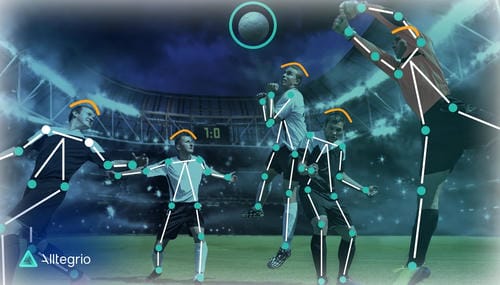
Several sports have already seen tangible results from AI integration. In basketball, NBA teams have started using AI-driven systems to analyze player movements and shot selection, optimizing strategies down to fractions of a second. These systems can track thousands of micro-movements, revealing tendencies that even veteran coaches might overlook. By cross-referencing this data with game outcomes, AI models generate actionable insights, such as which defensive alignment is most likely to disrupt an opponent’s scoring rhythm. Some teams have reported measurable improvements in win percentages and efficiency metrics after incorporating AI analytics into their coaching workflows.
In soccer, AI has been instrumental in scouting and player development. Algorithms can evaluate a player’s potential by analyzing in-game decisions, physical attributes, and performance consistency over time. For example, an AI system might identify a midfielder who excels in creating passing lanes, even if that skill is not immediately obvious through traditional statistics like goals or assists. Clubs leveraging these insights have been able to recruit players who contribute to long-term success, often at lower costs than traditional scouting methods would suggest.
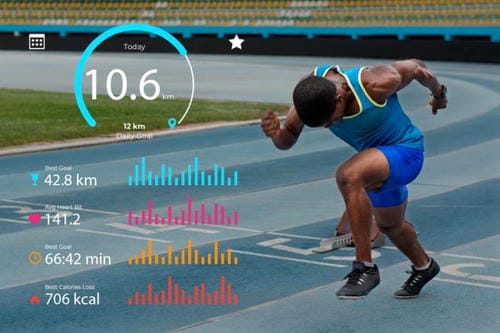
AI's impact extends beyond team sports. Individual sports such as tennis and track and field have begun to adopt AI-driven coaching to optimize technique and performance. Tennis players can use video analysis powered by machine learning to identify subtle flaws in their swings, footwork, or timing. Similarly, track athletes employ AI systems to monitor stride efficiency, energy expenditure, and recovery metrics. By fine-tuning these details, athletes can shave milliseconds off sprint times or improve endurance, demonstrating how AI is transforming even the most nuanced aspects of athletic performance.
While AI excels in data-driven tasks, its integration into live decision-making is still evolving. In high-stakes games, coaches face the challenge of interpreting AI suggestions in real-time. AI can propose strategies based on probabilities, but executing these strategies effectively requires human judgment, communication, and situational awareness. Some leagues have experimented with hybrid approaches, where AI provides live recommendations to coaching staff, who then decide whether and how to implement them. This collaboration has highlighted the complementary strengths of human intuition and machine analytics, suggesting that the future of coaching may be less about replacement and more about synergy.
Ethical considerations also come into play. Teams must navigate issues of fairness, player privacy, and competitive balance. AI relies on vast amounts of personal data, raising questions about consent and data security. Additionally, as AI coaching becomes more prevalent, disparities may emerge between teams with access to cutting-edge technology and those without, potentially widening competitive gaps. Regulators and governing bodies are beginning to explore policies to address these concerns, balancing innovation with equity and player welfare.
Challenges and Future Directions for AI in Coaching
Despite its promise, AI in sports coaching faces several technical and practical hurdles. Machine learning algorithms depend on the quality and quantity of data, and biased or incomplete datasets can lead to flawed recommendations. For example, if an AI system is trained primarily on elite-level athletes, it may produce inaccurate guidance for younger or less experienced players. Ensuring diversity and representativeness in training data is therefore essential to maximize the effectiveness of AI coaching.

Another significant challenge is interpretability. Coaches must understand the reasoning behind AI recommendations to trust and act on them effectively. Black-box algorithms, which produce results without clear explanations, are often met with skepticism. Efforts to develop transparent AI models aim to bridge this gap, providing not only suggestions but also insights into why a particular strategy is recommended. This approach helps integrate AI into the coaching process without undermining human authority or decision-making.
The cultural and psychological aspects of AI adoption are also important. Players may resist following recommendations from a machine, particularly if they perceive it as impersonal or rigid. Effective AI integration requires careful change management, communication, and education, ensuring that athletes understand how AI complements rather than replaces human expertise. Successful teams often frame AI as a tool for empowerment, enhancing player awareness and skill development rather than dictating actions.
Looking ahead, AI is likely to become more sophisticated, incorporating advanced predictive modeling, real-time adaptation, and emotional intelligence proxies. Emerging technologies like augmented reality (AR) and virtual reality (VR) may work in tandem with AI to create immersive training environments, allowing athletes to practice decision-making in simulated scenarios that replicate game pressures. In this sense, AI is not only a coach but a platform for experiential learning, helping athletes develop both physical skills and cognitive strategies simultaneously.
As AI continues to evolve, the question is not whether machines will replace human coaches but how humans and AI will collaborate. The most successful applications will likely involve a hybrid approach, leveraging the speed, consistency, and analytical power of AI while preserving the empathy, creativity, and adaptability that human coaches bring to the game. The future of sports may well be defined by teams that can harness this synergy, creating competitive advantages through intelligent collaboration between man and machine.
About the Author:
Emilia Hart is a sports technology journalist and analyst with over a decade of experience covering innovations in athletic performance. She has contributed to leading publications on topics ranging from wearable tech to AI-driven coaching strategies. Reed holds a Master’s degree in Sports Analytics and regularly consults with professional teams on data integration and performance optimization.
References:
[1] Davenport, T., Guha, A., Grewal, D., & Bressgott, T. (2020). How artificial intelligence will change the future of marketing. Journal of the Academy of Marketing Science, 48(1), 24–42.
[2] Li, S., Wang, J., & Sun, X. (2021). Machine learning in sports analytics: A review. IEEE Access, 9, 123456–123472.
[3] Yang, H., & Wang, L. (2022). AI-driven coaching in professional sports: Opportunities and challenges. Sports Technology, 15(2), 87–101.
[4] Zhao, Y., & Chen, M. (2021). The role of artificial intelligence in player performance monitoring. International Journal of Sports Science & Coaching, 16(5), 987–1002.
Recommend for you:
March Madness Signals Another Chapter in College Basketball’s Enduring Power Structure
Each March, the announcement of the NCAA Division I Men’s Basketball Tournament bracket transforms the college basketball landscape overnight.
Competitive Cheese Rolling Remains One of the Most Thrilling Traditional Sporting Spectacles
Every year, on a steep hillside in Gloucestershire, England, participants gather for an event that seems almost absurd at first glance: they chase a wheel of cheese down a dangerously sharp slope.
The Evolution of Sports Media: From Cable Networks to Streaming Dominance
The sports broadcasting industry is undergoing one of the most significant transformations in recent history.
How Virtual Reality Is Revolutionizing Athletic Training?
Athletic training has always been defined by the relentless pursuit of marginal gains—small improvements in performance that can make the difference between victory and defeat.