Record-Breaking Momentum Shapes the Early 2026 Athletics Season

Marathon Brilliance and the Rise of Road Racing Excellence
The early months of the 2026 athletics calendar have already delivered a series of performances that hint at a remarkable year ahead for track and field. From record-breaking pole vault jumps to extraordinary marathon debuts and collegiate breakthroughs, the global athletics community is witnessing a surge of talent and performance levels that could define the sport’s competitive landscape in the coming seasons. These performances are particularly meaningful as athletes and programs begin preparing for major championships later in the year, including continental meets and global competitions.
Among the most stunning achievements came from Ethiopian long-distance runner Fotyen Tesfay, whose marathon debut at the Barcelona Marathon immediately entered the sport’s record books. Tesfay finished the race in approximately 2:10:53, the second-fastest women’s marathon performance in history and the fastest marathon debut ever recorded in the women’s category.
Tesfay’s performance represented more than just a remarkable debut. Marathon running is traditionally an event where athletes require years of development and experience before reaching world-class results. Many elite runners transition from shorter distances to the marathon gradually, refining pacing strategies, endurance conditioning, and fueling methods along the way. Tesfay’s leap directly into the marathon with such a performance suggests a rare combination of physiological capability, tactical awareness, and mental resilience.
Throughout the race, Tesfay maintained an aggressive pace that briefly suggested the possibility of challenging the standing world record. She sustained splits of under 31 minutes for each 10-kilometer segment during the early and middle phases of the race, demonstrating remarkable aerobic efficiency and composure under pressure. Only in the final kilometers did fatigue slightly reduce her pace, yet her finishing time still secured a historic mark in marathon history.
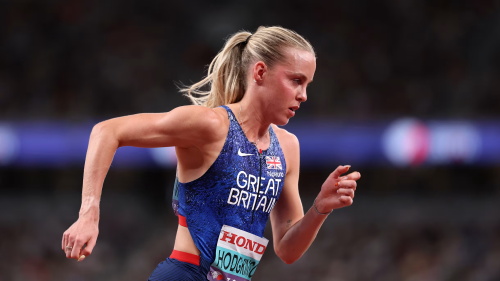
Tesfay’s breakthrough reflects a broader trend in women’s distance running: the continuous narrowing of performance gaps between historical records and contemporary results. Over the past decade, advancements in sports science, altitude training, and racing technology have enabled athletes to achieve unprecedented times. At the same time, the global depth of talent in distance running has expanded significantly, with East African training programs continuing to produce world-class competitors across multiple disciplines.
Equally notable is Tesfay’s path through the sport. Before her marathon debut, she had already established herself as a strong competitor in road racing and track events. Her previous performances included elite results in the half marathon and track distances such as the 5,000 meters and 10,000 meters, where she demonstrated both speed and endurance. These experiences likely contributed to the strategic confidence she displayed during the Barcelona race.
For athletics fans, Tesfay’s performance may mark the beginning of a new era in marathon competition. The ability of athletes to challenge historic times in their first attempt at the distance suggests that training systems are evolving rapidly. Coaches increasingly integrate track speed, strength training, and advanced pacing strategies into marathon preparation, allowing athletes to compete at elite levels sooner in their careers.
The Barcelona Marathon itself has also emerged as an increasingly attractive venue for elite distance runners seeking fast times. Its flat course profile, favorable climate conditions, and strong international field have helped transform it into one of Europe’s most competitive marathon events. Tesfay’s record-breaking debut further elevates the race’s reputation within the global road racing circuit.
Dominance in the Field and Rising Talent in Collegiate Athletics
While distance runners were producing headlines on the roads of Europe, another extraordinary achievement was unfolding in the field events. Swedish pole vault superstar Armand Duplantis continued his remarkable dominance of the event by setting his fifteenth world record, clearing a height of 6.31 meters during the Mondo Classic indoor meeting in Sweden.
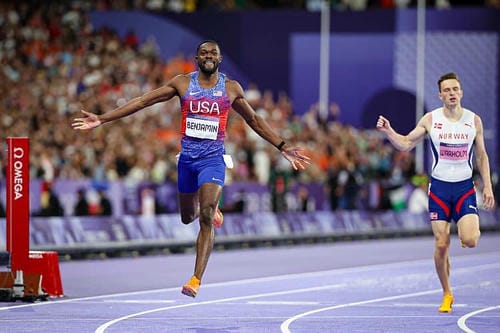
Duplantis has been one of the defining figures of modern athletics, and his latest record further reinforces his status as the most accomplished pole vaulter in history. Since first breaking the world record in 2020, he has consistently improved the mark, often raising it by small increments of one centimeter. This incremental progression is a deliberate strategy commonly used in technical field events, allowing athletes to maintain a steady sequence of record-breaking performances while pushing the limits of human capability.
What makes Duplantis particularly remarkable is not just his ability to break records, but the consistency with which he does so. At the meet where he set his fifteenth record, Duplantis cleared each height without a failed attempt, progressing smoothly through earlier marks before reaching the historic 6.31-meter jump. This efficiency reflects the technical precision that defines his vaulting style.
Pole vault is among the most technically demanding events in athletics. Success requires a combination of speed, strength, timing, and spatial awareness, as athletes must convert horizontal sprint velocity into vertical lift using a flexible pole. Even minor errors in technique can result in failed attempts, making Duplantis’s near-flawless performances all the more impressive.
Beyond individual accomplishments, Duplantis’s success has also contributed to renewed global interest in field events. Historically, sprint races and distance events often receive the most media attention in athletics competitions. However, athletes like Duplantis have helped bring the technical disciplines back into the spotlight, inspiring younger athletes and drawing greater fan engagement.
Meanwhile, the collegiate athletics system in the United States is also producing remarkable performances that signal the emergence of the next generation of elite athletes. At the NCAA Indoor Championships, American hurdler Ja'Kobe Tharp delivered one of the most exciting results of the collegiate season by running the 60-meter hurdles in 7.32 seconds, setting a new NCAA record in the event.
The 60-meter hurdles is a particularly demanding discipline because it requires explosive acceleration and flawless rhythm over a very short distance. Unlike the 110-meter hurdles, where athletes have more time to recover from minor mistakes, the indoor version of the event leaves almost no margin for error. Every stride and hurdle clearance must be executed with precision.
Tharp’s record-breaking run reflects the increasing competitiveness of NCAA athletics programs. Over the past two decades, collegiate track and field has evolved into a highly sophisticated development system. Universities now provide athletes with advanced training facilities, specialized coaching staffs, and sports science resources that rival those available to professional competitors.
As a result, many athletes now achieve world-class performances while still competing at the collegiate level. NCAA competitions frequently produce marks that rank among the best in the world each season, particularly in sprinting, hurdles, and jumping events. The NCAA system also plays a crucial role in the global athletics ecosystem by attracting international athletes who compete alongside American runners and contribute to the overall standard of competition.
For athletes like Tharp, record-breaking performances at the collegiate level often serve as a launching pad toward professional careers and international championships. Many Olympic medalists first gained recognition through NCAA competition, where they developed the experience and confidence necessary to compete on the global stage.
The early performances of 2026—whether in marathon racing, pole vaulting, or collegiate hurdles—collectively illustrate the remarkable diversity of excellence within athletics. The sport encompasses a wide range of disciplines, each demanding distinct physical and technical qualities. Yet all share a common theme: the pursuit of incremental improvement and the relentless push toward new limits.
As the athletics season progresses, these early breakthroughs may prove to be only the beginning. Athletes who have already achieved extraordinary results in the opening months of the year will likely aim to carry their momentum into major championships later in 2026. Records broken in March often foreshadow historic performances in the summer season, when the world’s best athletes gather to compete for medals and global recognition.
For fans of track and field, the message is clear. The sport is entering a period defined by both emerging talent and sustained excellence from established champions. Whether on the marathon roads of Europe, the indoor runways of pole vault competitions, or the fast tracks of NCAA arenas, athletics continues to produce moments that remind us why the sport remains one of the purest expressions of human performance.
About the Author:
Max Thompson is a sports journalist and endurance athletics analyst with more than a decade of experience covering global track and field competitions. He has reported on major international events including the Olympic Games, World Athletics Championships, and NCAA Championships, with a particular focus on distance running and athlete development systems. Max previously worked as a collegiate athletics communications specialist and has contributed analysis to several international sports publications covering performance trends in elite track and field.
References
[1] Reuters. (2026). Duplantis sets 15th pole vault world record.
[2] El País. (2026). Fotyen Tesfay sets second-fastest marathon time in Barcelona.
[3] World Athletics. (2025). Tesfay breaks Berlin Half Marathon course record.
[5] SuperSport. (2026). American Tharp runs world-leading time in 60m hurdles.
[6] World Athletics. (2026). Tesfay goes No.2 all time with 2:10:53 marathon debut in Barcelona.
[7] Olympics.com. (2026). Barcelona Marathon 2026: Fotyen Tesfay and Abel Chelangat secure victories – full results.
[8] Runner’s World. (2026). Fotyen Tesfay averaged 4:59 pace for a marathon—and ran the second-fastest women’s time in history.
[9] Marathon Handbook. (2026). Fotyen Tesfay had never run a marathon before—she almost broke the world record anyway.
[10] Zurich Marató Barcelona. (2026). Fotyen Tesfay wins Barcelona Marathon with the second-fastest time in history.
[11] Yahoo Sports. (2026). Fotyen Tesfay runs second-fastest women’s marathon in history.
Recommend for you:

Wearable Technology Predicts Athlete Injuries Before They Happen
In the world of competitive sports, injuries have always been a major concern. Athletes push their bodies to extremes, testing endurance, strength, and agility.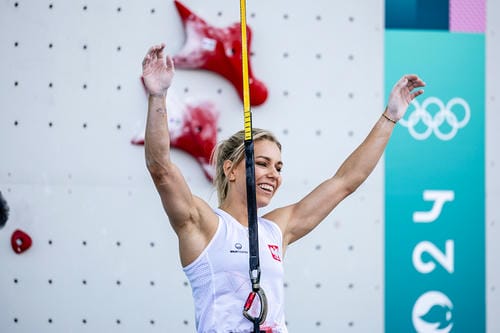
Speed Climbing Continues to Redefine Athleticism and Captivate Audiences on the Olympic Stage
Speed climbing, a discipline of sport climbing, has captured the imagination of athletes and spectators alike due to its explosive combination of power, precision, and strategy.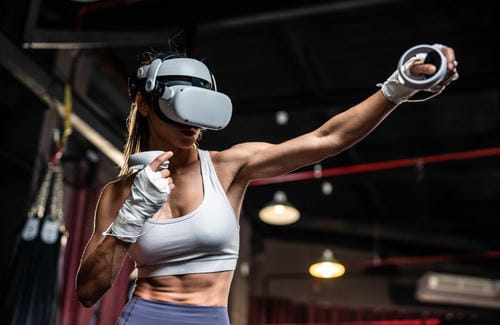
How Virtual Reality Is Revolutionizing Athletic Training?
Athletic training has always been defined by the relentless pursuit of marginal gains—small improvements in performance that can make the difference between victory and defeat.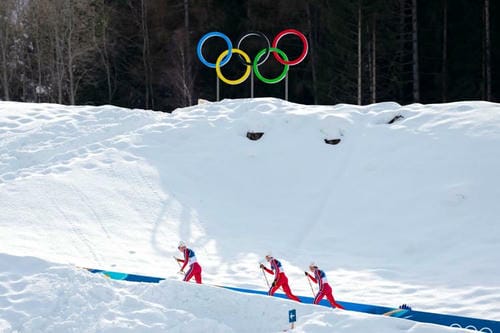
A Winter Games Defined by Records and Nordic Supremacy
The 2026 Winter Olympics, staged across Milan and Cortina d’Ampezzo in Italy from February 6 to February 22, delivered the type of drama and spectacle that defines the Olympic tradition.