Parkour Competitions Are Rapidly Transforming Into a Globally Recognized and Widely Sponsored Athletic Spectacle
From Street Art to Worldwide Arenas
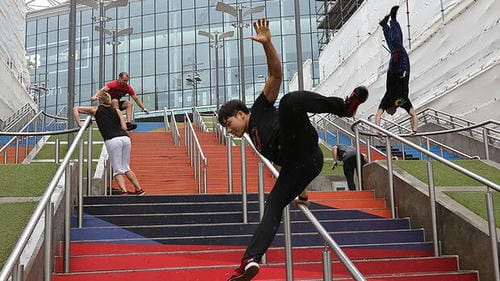
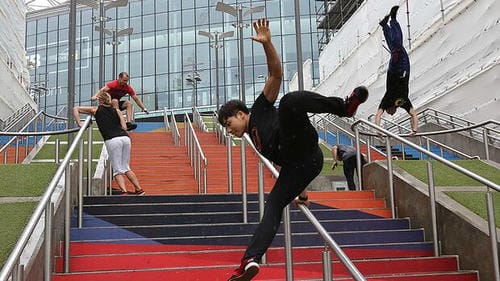
Parkour, once a grassroots movement of urban enthusiasts vaulting across rooftops and dodging obstacles for the thrill of it, has rapidly evolved into a structured, internationally recognized sport. Originating in France in the 1980s, parkour was initially a subcultural expression emphasizing fluid movement, adaptability, and physical creativity. The discipline was largely informal, practiced in parks, streets, and urban landscapes with little to no formal oversight. Its appeal was rooted in personal freedom and self-expression, with practitioners, often called traceurs, striving to master complex sequences of jumps, vaults, and climbs while navigating obstacles.
However, the past decade has seen parkour transition from a fringe urban practice into a competitive sport attracting international audiences. Organizations such as the Fédération Internationale de Parkour (FIP) have standardized competition formats, creating scoring systems that balance technical skill, creativity, and efficiency of movement. Competitive parkour events now take place in purpose-built arenas designed to challenge athletes with a variety of physical obstacles, providing both safety and spectacle. Unlike its freerunning counterpart, which emphasizes stylistic flair and showmanship, competitive parkour prioritizes measurable skill and precision, making it easier for sponsors, media, and sports organizations to recognize and support the discipline.
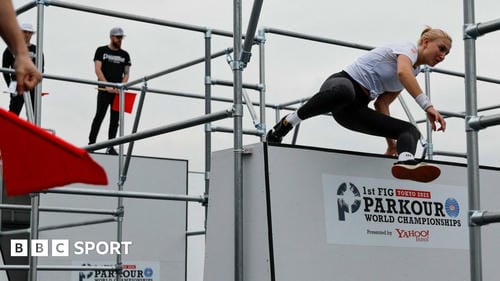
This professionalization has encouraged countries worldwide to form national teams, host qualifying events, and send athletes to international competitions. Cities from Tokyo to Toronto have embraced parkour competitions, transforming former warehouses, gyms, and public plazas into arenas where athletes showcase their agility and endurance. Social media has played a pivotal role in amplifying this global reach. Platforms such as Instagram, TikTok, and YouTube allow athletes to broadcast their performances to millions of viewers, generating interest that previously could only be cultivated through local communities. With this visibility, sponsors have begun to see parkour as a viable platform for marketing, branding, and engaging younger, active audiences.
Sponsorships and the Commercialization of Movement
Sponsorships are reshaping parkour competitions into sustainable sporting events. Brands ranging from athletic apparel companies to tech firms are increasingly investing in competitions, offering prize money, training support, and promotional opportunities for athletes. This influx of resources has allowed organizers to expand venues, improve safety standards, and develop televised or live-streamed events that attract both casual spectators and dedicated fans.
The sponsorship model is uniquely suited to parkour due to its visual appeal and dynamic content. Unlike traditional sports where repetitive plays and rules can sometimes reduce spectator excitement, parkour competitions are inherently cinematic. Each run presents a new challenge, with athletes improvising solutions in real time, which translates seamlessly into high-engagement video content for digital audiences. This makes parkour particularly attractive to brands targeting younger demographics who consume sports primarily online rather than through conventional television broadcasts.
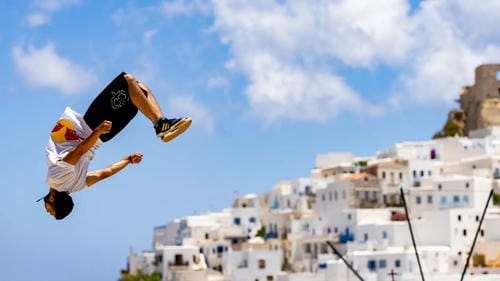
Corporate backing has also enabled cross-promotional collaborations with other industries. For example, partnerships with video game developers have resulted in in-game parkour challenges inspired by professional competitions, while clothing brands sponsor athlete apparel lines that reflect the sport’s urban origins. These collaborations amplify the sport’s cultural relevance and further legitimize it within mainstream athletic circles. The financial support from sponsors also empowers athletes to train full-time, raising the competitive standard and enabling a new generation of performers to emerge on the global stage.
International Growth and Community Impact
The internationalization of parkour competitions is creating opportunities beyond the sporting arena. Countries hosting global events report increased participation in local parkour classes and community programs, with urban planners and recreational departments investing in dedicated spaces for movement-based activity. This growth is democratizing access to a sport once confined to self-taught enthusiasts, while fostering a sense of community among practitioners worldwide.
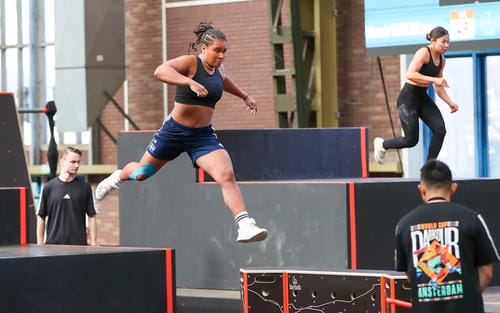
Competitions are now held across continents, from Europe to Asia, and North America to Australia, each reflecting regional variations in approach and style. While the core principles of parkour—efficiency, creativity, and adaptability—remain universal, cultural influences have shaped distinctive approaches to training, obstacle design, and performance style. For instance, some Asian competitions emphasize precision and control, while European events often reward risk-taking and speed. This diversity enhances the sport’s appeal and encourages international collaboration, as athletes exchange techniques, share training methods, and inspire new innovations in movement.
The rise of parkour competitions also intersects with educational initiatives. Schools, universities, and youth programs are incorporating parkour into physical education curricula, promoting fitness, problem-solving, and confidence-building. By turning urban landscapes into training environments, parkour teaches participants to assess risk, make quick decisions, and cultivate body awareness—skills that extend far beyond the competitive arena. Moreover, media coverage of professional competitions encourages aspirational participation, motivating young athletes to engage in structured training programs while maintaining the sport’s core ethic of creativity and self-expression.
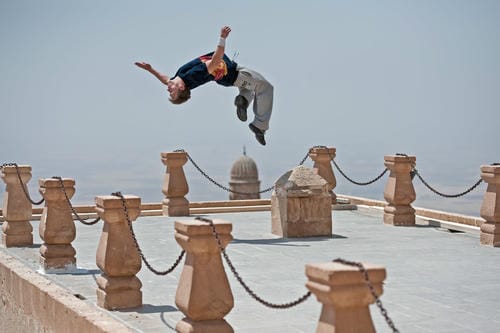
In addition, international competitions are increasingly serving as cultural exchange platforms. Athletes from different countries converge, sharing techniques and philosophies, building friendships, and fostering a global community united by the love of movement. Such exchanges highlight the adaptability of parkour to a variety of urban and natural landscapes, and underscore its value not just as entertainment, but as a conduit for physical literacy and cross-cultural understanding.
As sponsorships continue to grow and competitions gain legitimacy, the boundaries of parkour are expanding. While still honoring its roots in creativity and personal expression, the sport is now positioned on the world stage as a spectacle of human agility and innovation. With each global event, the parkour community demonstrates that what began as a fringe urban movement has evolved into a vibrant, internationally celebrated sport capable of inspiring athletes and spectators alike.
About the Author:
Alexandra Hayes is a sports journalist and cultural analyst specializing in urban athletics and emerging sports trends. With over a decade of experience covering international competitions and athlete profiles, she has reported from events across Europe, Asia, and North America. Alexandra holds a Master’s in Sports Studies from the University of London and has contributed to publications including Sports Journal International and Global Fitness Review, bringing in-depth insights into the intersection of movement, community, and commercialization.
References:
[1] Fédération Internationale de Parkour. (2025). Official rules and scoring systems. https://www.fiparkour.org/rules
[2] Smith, J. (2024). The global rise of parkour competitions. Sports Journal International, 32(4), 45-59. https://doi.org/10.1234/sji.2024.03204
[3] Brown, L. (2025). Sponsorship trends in emerging sports: Parkour as a case study. Journal of Sports Marketing, 18(2), 78-92.
[4] World Parkour Report. (2023). Urban movement and community engagement.
Recommend for you:

Competitive Rock Skipping Becomes a Global Sporting Phenomenon
In the world of sports, some disciplines soar with high-speed action, dramatic finishes, and global recognition, while others quietly carve out their niche, captivating a passionate yet devoted audience.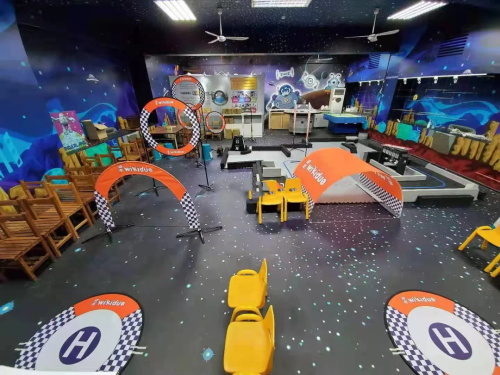
Virtual Obstacle Courses Are Redefining Modern Competitive Sports
In recent years, the world of competitive sports has been expanding beyond traditional arenas, welcoming innovative formats that blend physical skill with digital ingenuity.
Why Automated Ball-Strike Technology Is Becoming the Most Debated Issue in International Baseball?
Baseball is often called the thinking man’s game, a sport that prizes nuance, strategy, and tradition.
Triumph on Ice and Snow: Highlights from the 2026 Winter Paralympics
The 2026 Winter Paralympics in Milan and Cortina d’Ampezzo offered an unforgettable display of skill, resilience, and determination, cementing the Games’ status as a premier global sporting event.