How Virtual Reality Is Revolutionizing Athletic Training?
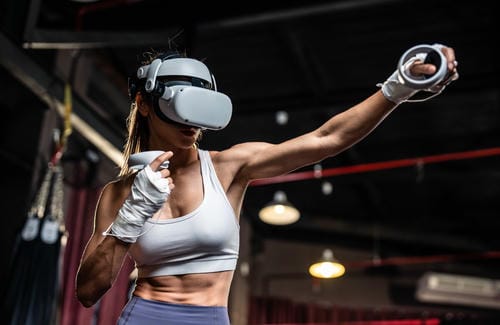
Athletic training has always been defined by the relentless pursuit of marginal gains—small improvements in performance that can make the difference between victory and defeat. Traditionally, these gains were sought through intense physical workouts, careful analysis of performance data, and mental conditioning. In recent years, however, athletes and coaches are increasingly turning to virtual reality (VR) as a tool to enhance every aspect of training. By immersing athletes in virtual environments that replicate real-world conditions, VR allows them to simulate scenarios, refine skills, and optimize performance in ways that were previously unimaginable.
The integration of VR into athletic training begins with the creation of realistic simulations. Sophisticated VR platforms can reproduce stadiums, courts, and tracks with high-fidelity graphics and physics, giving athletes the sense that they are performing in actual competitive conditions. For example, football quarterbacks can practice reading defenses without risking injury, while tennis players can refine their timing and positioning against virtual opponents. These simulations are not just visual; they incorporate spatial awareness, timing, and tactical decision-making, engaging the brain in patterns similar to those used during live competition. By doing so, VR helps athletes internalize movements, react instinctively, and develop muscle memory under conditions that closely mimic real-life scenarios.
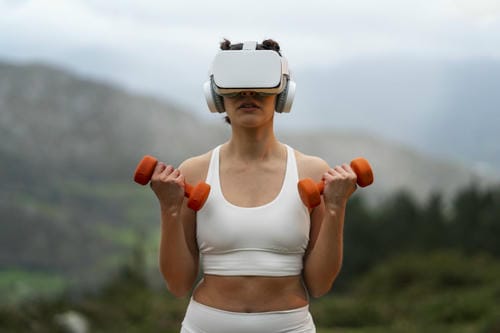
Beyond skill development, VR technology offers a unique advantage in mental preparation. Athletes often face performance anxiety, distractions, and unexpected challenges during competition. Virtual reality enables controlled exposure to stressors, allowing athletes to practice maintaining focus under pressure. A skier, for example, can repeatedly navigate a virtual downhill course with varying weather conditions, slopes, and obstacles, developing the mental resilience required to remain composed during actual races. Similarly, team sports benefit from VR by enabling players to rehearse strategies and formations in a risk-free environment, promoting cohesion and decision-making skills that translate directly to the field.
Physical Conditioning and Injury Prevention in VR
While VR is often associated with cognitive and tactical training, its applications extend to physical conditioning and injury prevention. Motion tracking technology and wearable sensors allow virtual environments to monitor an athlete’s movements, posture, and exertion levels in real time. This data provides coaches with insights into technique efficiency, muscle engagement, and potential injury risks. By analyzing these metrics, trainers can design VR exercises that strengthen weak areas, correct form, and reduce strain on joints or muscles.
Moreover, VR offers the ability to conduct high-intensity training with reduced physical impact. Athletes recovering from injuries can maintain conditioning by engaging in virtual drills that mimic sport-specific motions without the stress of actual physical contact. Rehabilitation programs increasingly incorporate VR to simulate running, jumping, or rotational movements, gradually building strength and coordination before returning to full competition. This approach not only accelerates recovery but also ensures athletes retain sport-specific skills during periods of limited physical activity.
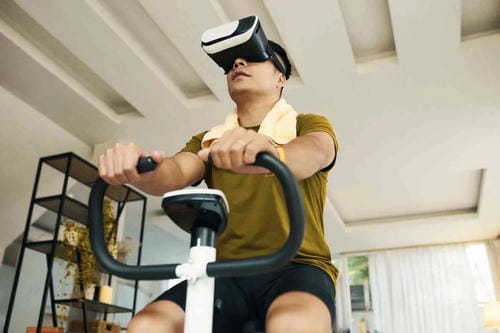
Another significant benefit lies in the versatility and accessibility of VR training. Environmental factors such as weather, terrain, or available facilities often limit traditional training. VR eliminates these constraints, allowing athletes to practice in any scenario, from icy tracks for winter sports to high-altitude environments for endurance athletes. This adaptability enables consistent training regardless of location or season, creating opportunities for athletes to maintain peak performance year-round. For teams or individual competitors in remote areas, VR can be a game-changer, offering experiences that would otherwise require costly travel or extensive logistical planning.
The Future of Athletic Performance and VR Integration
As virtual reality technology continues to evolve, its role in athletic training is becoming increasingly sophisticated. Artificial intelligence (AI) integration allows VR platforms to adapt dynamically to an athlete’s performance, offering real-time feedback and personalized adjustments. For instance, a sprinter navigating a virtual track can receive instantaneous coaching on stride length, cadence, and posture, with the system automatically modifying scenarios to challenge specific weaknesses. This adaptive training accelerates skill acquisition and provides a level of precision that is difficult to achieve with traditional methods alone.
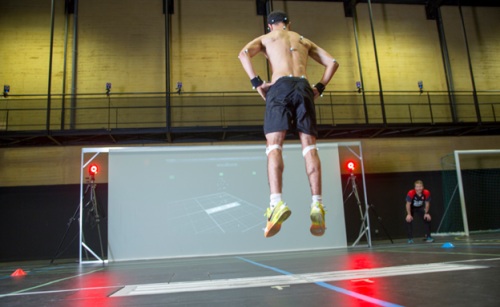
Professional teams and elite athletes are leading the charge, using VR not just for individual skills but for strategic analysis. Coaches can simulate entire games or races, testing different tactics, formations, or environmental conditions. By visualizing potential outcomes and player interactions, teams gain insights that inform real-world decisions. Additionally, VR training opens new avenues for collaboration between sports scientists, psychologists, and coaches, creating holistic programs that address both physical and cognitive aspects of performance.
The potential for VR to democratize access to elite-level training is also significant. Amateur athletes and younger competitors can benefit from immersive simulations previously limited to professional environments. With decreasing costs and increasing availability of VR hardware, a wider audience can experience sophisticated training techniques, leveling the playing field and fostering the next generation of athletes. As VR becomes more intuitive, portable, and integrated with performance analytics, it is likely to become a standard component of training regimens across virtually all sports disciplines.
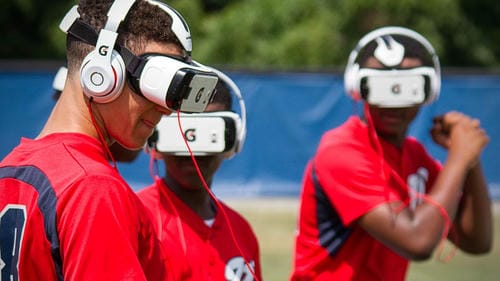
The implications extend beyond individual performance. Virtual reality can reshape the way competitions are prepared for, viewed, and even broadcast. Fans may engage with athletes’ training in immersive ways, while coaches use VR simulations for scouting, talent evaluation, and strategic planning. The fusion of physical skill, mental conditioning, and digital simulation represents a new frontier in sports science, where virtual and real-world training coexist to push human performance to unprecedented levels.
About the Author:
Lauren Whitmore a is a sports technology journalist and performance analyst with over a decade of experience covering innovation in elite athletics. She has worked with professional teams in football, tennis, and track, helping integrate cutting-edge training tools such as VR and AI analytics. Her work explores the intersection of science, technology, and athletic performance, offering insights into how digital advancements are reshaping the future of sports.
References
[1] Smith, J. (2025). Virtual reality in professional sports training: A comprehensive review. Journal of Sports Technology, 12(3), 45–63.
[2] Johnson, R., & Patel, S. (2024). Cognitive benefits of VR in athletic performance. International Review of Sport Psychology, 18(2), 102–118.
[3] Williams, L. (2025). Injury prevention through virtual reality motion analysis. Sports Medicine Insights, 7(1), 29–41.
[4] Chen, M., & Garcia, T. (2025). AI-driven adaptive training in immersive sports environments. Journal of Applied Sports Science, 33(4), 210–225.
Recommend for you:
Drone Racing Breaks Attendance Records Across European Cities
In the past decade, drone racing has evolved from a niche hobby into one of the most exhilarating spectator sports in the world.
Sander Eitrem’s Historic Sub-Six-Minute 5000m
When Sander Eitrem sprinted across the ice at the 2025–26 ISU Speed Skating World Cup in Inzell, Germany, on January 24, 2026, he didn’t just win a race — he rewrote the history of long-distance speed skating.
Triumph on Ice and Snow: Highlights from the 2026 Winter Paralympics
The 2026 Winter Paralympics in Milan and Cortina d’Ampezzo offered an unforgettable display of skill, resilience, and determination, cementing the Games’ status as a premier global sporting event.
Competitive Rock Skipping Becomes a Global Sporting Phenomenon
In the world of sports, some disciplines soar with high-speed action, dramatic finishes, and global recognition, while others quietly carve out their niche, captivating a passionate yet devoted audience.