Floorball’s Rapid Growth and Why It Could Become the Next Global Indoor Sport.
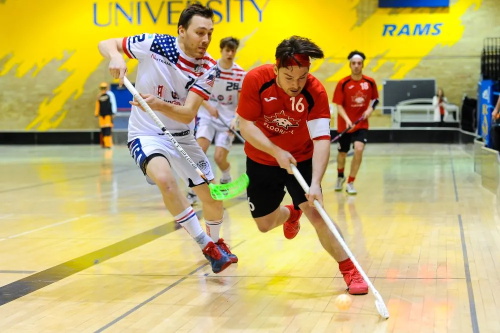
Floorball’s ascent from a modest indoor game to one of the world’s fastest-growing sporting activities is a story of accessibility, grassroots enthusiasm, and broad international expansion. Over the past few decades, floorball has steadily expanded its footprint: what was once a largely Nordic pastime has now taken root in dozens of countries spanning multiple continents. According to data from the International Floorball Federation (IFF), the number of licensed players approached nearly 377,000 in 2019, a figure that reflects consistent year-over-year growth in participation across diverse regions of the world. These numbers only account for organized, licensed play; countless additional recreational and school-level participants further bolster the sport’s global presence. The IFF itself now comprises more than 75 member associations worldwide, an organizational scale that underscores floorball’s burgeoning appeal and structural maturity. This rapid proliferation contrasts sharply with the sport’s humble beginnings, highlighting a trajectory that many analysts and enthusiasts believe could culminate in floorball becoming one of the next truly global indoor sports.
Several regions illustrate this upward trend vividly. Europe, long the sport’s stronghold, continues to show robust participation in nations like Sweden, Finland, Switzerland, Germany, and the Czech Republic, where floorball not only thrives at the amateur level but also commands competitive professional leagues and significant media attention. In Switzerland, for example, floorball has grown to become one of the most popular team sports in the country, with licensed player numbers rising steadily and the sport engaging both urban and rural communities alike. Meanwhile, in Asia, the sport’s growth is even more dramatic; countries such as Singapore boast extensive school competitions and league structures, while Japan, Australia, Thailand, and others are nurturing active programs that further diversify the sport’s global footprint.
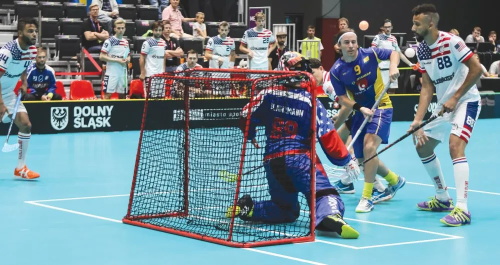
The sport has also gained traction in non-traditional markets like North America, where clubs and tournaments are gaining momentum and contributing to the sport’s gradual establishment outside its European heartland. This geographic expansion demonstrates not only floorball’s adaptability but also its broad cultural resonance as an indoor sport that can be played year-round without the infrastructure demands of ice or large fields.
Why Floorball Could Become the Next Global Indoor Sport
At the core of floorball’s meteoric rise are qualities that make the game particularly well suited for global adoption, especially in contexts where traditional indoor sports have struggled to expand. One of floorball’s most compelling attributes is its low barrier to entry: all that’s required to play is a lightweight stick, a plastic ball, and indoor space. Unlike heavier contact sports, floorball’s non-contact nature and minimal protective gear requirements make it appealing to schools, community centers, and recreational leagues, where safety and inclusivity are paramount. Its rules are straightforward enough for newcomers to grasp quickly, allowing players of nearly all ages and skill levels to engage immediately without prolonged learning curves. This ease of participation has enabled floorball to integrate smoothly into physical education programs and recreational sports offerings around the world, fostering early adoption among youth and creating a pipeline of future players.

The sport’s pace and excitement are additional factors contributing to its widespread appeal. Fast-paced and dynamic, floorball combines elements of skill, strategy, and athleticism in a format that is both spectator-friendly and engaging for participants. National and international tournaments — including world championships and multi-sport events such as the World Games — continue to raise the sport’s profile and attract competitive interest beyond its traditional powerhouses. For instance, in 2025 room floorball featured prominently in The World Games held in Chengdu, China, providing an international platform for both men's and women’s competitions. Such exposure plays a critical role in not only legitimizing the sport at higher competitive levels but also in inspiring new fans and players across different regions.
Moreover, institutional support and strategic development initiatives have been pivotal to floorball’s global growth. Floorball’s official recognition by the International Olympic Committee in 2011 marked a watershed in its legitimacy and potential for international expansion, paving the way for enhanced global competitions and development programs that attract youth and federations alike. Recent efforts by the IFF to restructure its international framework further aim to broaden the sport’s reach and foster new talent development opportunities worldwide.
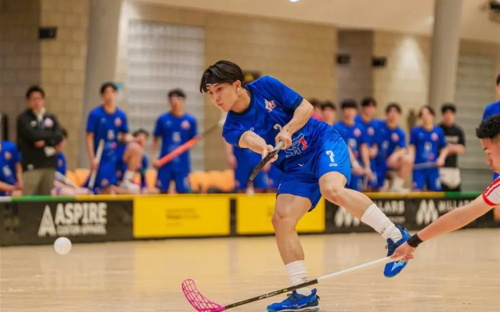
These structural and governance enhancements signal a sport that is not only expanding in numbers but also professionalizing its organizational capacity to sustain long-term growth. Coupled with a growing market for floorball equipment, youth engagement programs, and an increasing number of local clubs and leagues, the conditions for floorball’s rise to global indoor sport status are increasingly compelling.
While there are still challenges — such as competitive balance between established and developing nations and the need for broader media exposure — the momentum behind floorball’s expansion is undeniable. Its combination of simplicity, excitement, structural support, and global enthusiasm suggests that floorball is well positioned to transcend its niche origins and become a major player on the world indoor sports stage.
About the Author:
Alex Rivers is a seasoned sports analyst and writer with over a decade of experience covering emerging sports trends and athletic developments across the globe. With a background in sports management and journalism, Alex has tracked the evolution of numerous team sports from grassroots movements to international phenomena. His expertise spans competitive analysis, player development, and the socio-cultural impact of sports worldwide. Alex’s contributions appear regularly in leading sports publications, where he combines analytical rigor with engaging storytelling to illuminate the dynamics behind today’s most exciting athletic innovations.
References:
[1] International Floorball Federation. (2020). Number of licensed floorball players in 2019.
[2] International Floorball Federation. (2025). New structure of international floorball will open doors for new talent and drive the global growth of the sport.
[3] Floorball, one of the most popular sports in Switzerland. House of Switzerland.
Recommend for you:

Triumph on Ice and Snow: Highlights from the 2026 Winter Paralympics
The 2026 Winter Paralympics in Milan and Cortina d’Ampezzo offered an unforgettable display of skill, resilience, and determination, cementing the Games’ status as a premier global sporting event.
Why Curling Is Now a Truly Global Winter Sport?
For most of its long history, curling was seen as a sport of specific regions — a game of strategy played on ice in countries with cold climates, a traditional pastime in Scotland and a cultural cornerstone in Canada.
Virtual Obstacle Courses Are Redefining Modern Competitive Sports
In recent years, the world of competitive sports has been expanding beyond traditional arenas, welcoming innovative formats that blend physical skill with digital ingenuity.
Wearable Technology Predicts Athlete Injuries Before They Happen
In the world of competitive sports, injuries have always been a major concern. Athletes push their bodies to extremes, testing endurance, strength, and agility.