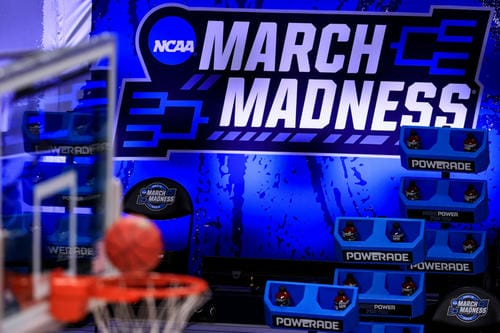
March Madness Signals Another Chapter in College Basketball’s Enduring Power Structure
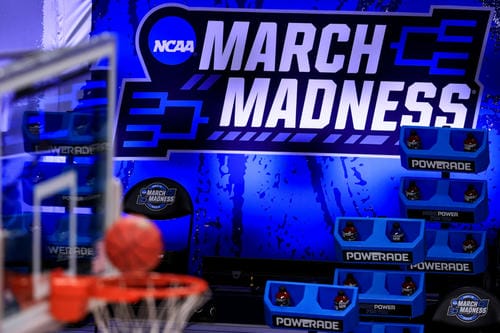
The 2026 Tournament Field Sets the Stage for New Drama
Each March, the announcement of the NCAA Division I Men’s Basketball Tournament bracket transforms the college basketball landscape overnight. Selection Sunday marks the moment when months of conference play, rivalry games, and tournament championships converge into a single elimination spectacle that captivates fans across the United States. In 2026, the bracket reveal once again delivered a blend of familiar powerhouses, emerging programs, and compelling storylines that will define the coming weeks of competition.
The tournament field includes 68 teams, beginning with the “First Four” play-in games before expanding into the traditional 64-team bracket that eventually produces a national champion. The 2026 edition features top seeds such as Duke, Arizona, Michigan, and Florida, programs that have maintained strong regular-season records and demonstrated consistent performance against elite competition throughout the year. Their placement at the top of the bracket positions them as early favorites in a tournament known for unpredictability and dramatic upsets.
While the spotlight naturally gravitates toward the No. 1 seeds, the structure of March Madness ensures that compelling narratives emerge throughout the bracket. Matchups between high-major programs and mid-major challengers frequently produce the tournament’s most memorable moments. Schools making their first appearance in the national tournament often bring the momentum of conference championship runs, while historically successful programs aim to extend their reputations for postseason success.
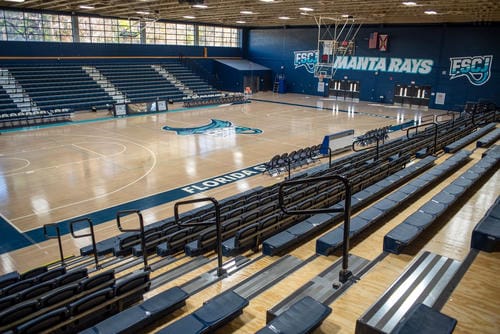
Among the notable teams entering the 2026 field is the Kansas Jayhawks men’s basketball program, which received a No. 4 seed in the East region after finishing the regular season with a 23–10 record. Their opening matchup against California Baptist places them in a region filled with elite competition, including a top-seeded Duke team and several other highly regarded programs.
For Kansas, tournament appearances have become an annual expectation rather than a rare achievement. The program has built one of the most sustained runs of postseason participation in college basketball history. Since 1990, the Jayhawks have appeared in the NCAA Tournament in nearly every season, creating one of the longest stretches of qualification in the sport. Even accounting for vacated appearances due to NCAA rulings, the team’s consistent presence in the tournament reflects decades of competitive stability.
That continuity highlights a central dynamic of modern college basketball: the ongoing influence of established programs that maintain national relevance year after year. Schools such as Kansas, Michigan State, Gonzaga, and others have built infrastructures capable of sustaining success across multiple coaching eras and roster turnovers. Their regular participation in March Madness reinforces the perception that certain institutions possess structural advantages in recruiting, development, and national exposure.
Yet the NCAA Tournament’s design ensures that tradition alone cannot guarantee success. A single off night can end a season, regardless of seeding or reputation. This volatility is precisely what fuels the annual fascination with the tournament, turning bracket predictions into a nationwide pastime and giving lesser-known teams the opportunity to challenge college basketball’s elite.
The early rounds of the tournament often showcase the tension between expectation and opportunity. Higher-seeded teams enter with statistical advantages and deeper rosters, but lower seeds frequently bring a style of play that disrupts those advantages. Whether through defensive intensity, three-point shooting bursts, or disciplined half-court offense, underdogs routinely reshape the bracket and redefine the narrative of the tournament.
Tradition, Media, and the Expanding Business of March Madness
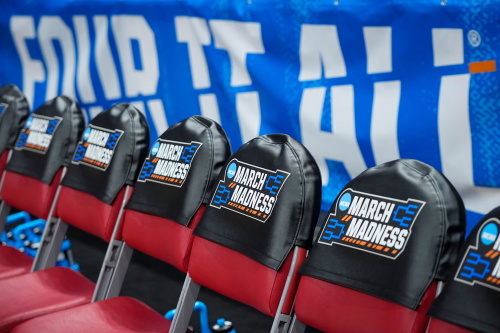
Beyond the games themselves, March Madness has evolved into one of the most influential events in the sports business ecosystem. The tournament’s media footprint spans television, digital streaming platforms, social media coverage, and an enormous secondary market for advertising and sponsorship.
Broadcast rights for the NCAA Tournament represent one of the most valuable properties in sports media. Networks devote extensive coverage to the event, from bracket analysis and studio programming to live broadcasts that run continuously across multiple channels. For three weeks each spring, college basketball becomes a central focus of the national sports conversation.
The tournament’s appeal lies partly in its accessibility. Unlike professional leagues where dynasties often dominate, the NCAA Tournament offers an open competitive structure in which any participating team theoretically has a path to the championship. This perception of possibility broadens audience engagement, attracting casual fans who might not follow college basketball during the regular season.
From a business perspective, the tournament generates significant revenue through television contracts, sponsorship agreements, and merchandising. Brands align themselves with the cultural momentum of March Madness, launching advertising campaigns tied to the excitement of the bracket and the unpredictability of the games. The result is a commercial ecosystem that extends far beyond the arenas where the games are played.
Digital platforms have also reshaped how fans interact with the tournament. Bracket contests hosted by media companies and technology platforms encourage participation from millions of users, transforming spectators into active participants in the tournament narrative. These contests generate massive engagement, drawing viewers back to games in which they may have a personal stake through their bracket predictions.
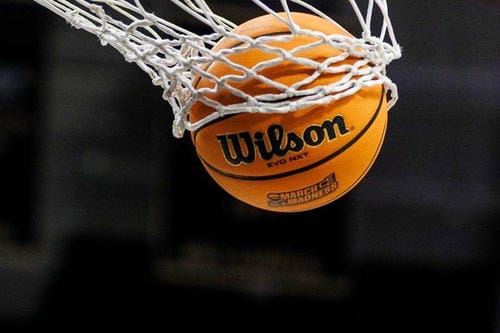
Social media has further accelerated the spread of tournament moments. Highlights of buzzer-beaters, dramatic comebacks, and unexpected upsets circulate instantly, creating viral moments that amplify the tournament’s reach. Players who deliver standout performances often become overnight sensations, gaining national recognition through a single game.
Universities themselves also benefit from the exposure generated by tournament participation. A deep run in March Madness can significantly elevate a school’s national profile, influencing everything from student applications to alumni engagement. For athletic departments, tournament success can enhance recruiting pipelines, providing coaches with a powerful tool when competing for elite high school prospects.
At the same time, the tournament’s commercial scale has intensified debates about the balance between amateur athletics and financial opportunity. The introduction of name, image, and likeness (NIL) rules in recent years has begun to reshape how college athletes participate in the economic ecosystem surrounding the sport. While the NCAA Tournament itself remains a university competition, the visibility it provides can create substantial endorsement opportunities for standout players.
For programs like Kansas, whose history is deeply intertwined with the evolution of college basketball, the tournament represents both continuity and transformation. The Jayhawks have appeared in more than fifty NCAA tournaments and have captured four national championships, achievements that reinforce their position among the sport’s traditional powerhouses.
Yet even programs with that level of historical success face increasing competition from rising programs and shifting recruiting landscapes. The transfer portal, NIL opportunities, and conference realignments have introduced new variables that influence team building and postseason outcomes. As a result, the composition of tournament contenders can change rapidly from year to year.
The 2026 NCAA Tournament therefore represents not only the continuation of college basketball’s most celebrated event but also a snapshot of a sport in transition. Established programs continue to dominate the bracket, but the competitive margins between teams are narrowing. Coaching innovation, player mobility, and financial dynamics are reshaping the pathways to success.
For fans, this evolving environment enhances the appeal of March Madness. The tournament remains rooted in tradition, yet each edition introduces new teams, new stars, and new narratives that redefine the landscape of college basketball.
As the 2026 tournament begins, the bracket once again becomes a canvas for possibility. From powerhouse programs seeking to add another championship banner to underdogs hoping to write their own Cinderella story, the coming weeks promise the drama, unpredictability, and cultural energy that have defined March Madness for generations.
About the Author:
Daniel Mercer is a college basketball analyst and sports writer who has covered NCAA athletics for more than a decade. A former collegiate athletics communications assistant, he has reported on conference tournaments, recruiting trends, and the evolving business landscape of college sports. Mercer’s work focuses on the intersection of competition, media, and economics in college athletics, with a particular emphasis on the NCAA basketball tournament and its impact on universities and athletes.
References:
[1] Associated Press. (2026). Selection Sunday: Duke, Arizona, Michigan and Florida claim No. 1 seeds in men's bracket.
[2] NCAA. (2026). 2026 NCAA tournament printable bracket and schedule.
[3] ESPN. (2025). Who has the most NCAA tournament appearances in a row?
[4] Sports Reference. (2026). Kansas Jayhawks basketball school history.
Recommend for you:
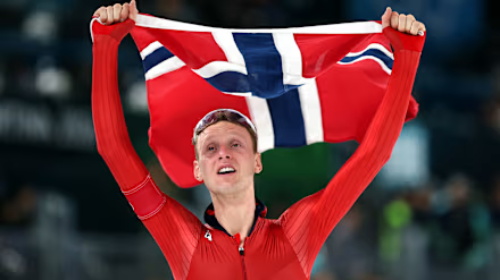
Sander Eitrem’s Historic Sub-Six-Minute 5000m
When Sander Eitrem sprinted across the ice at the 2025–26 ISU Speed Skating World Cup in Inzell, Germany, on January 24, 2026, he didn’t just win a race — he rewrote the history of long-distance speed skating.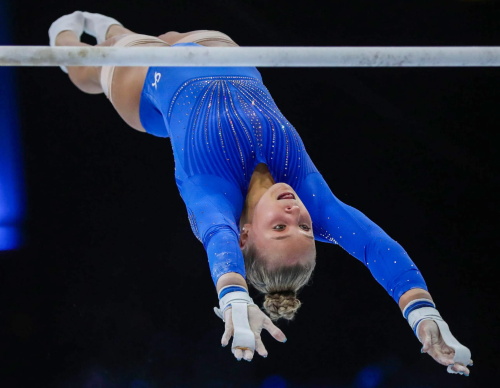
Digital Tools Elevate Judging Accuracy in Dance and Gymnastics
Motion capture, often abbreviated as MoCap, has transitioned from a niche tool in film and animation into a transformative force in competitive sports like dance and gymnastics.
Caitlin Clark Shines as USA Women’s Team Flexes Strength in Preseason Friendlies
Caitlin Clark once again proved why she is considered one of the brightest talents in women’s basketball during the USA Women’s National Team’s recent friendly series.
Why Automated Ball-Strike Technology Is Becoming the Most Debated Issue in International Baseball?
Baseball is often called the thinking man’s game, a sport that prizes nuance, strategy, and tradition.