Why Curling Is Now a Truly Global Winter Sport?
For most of its long history, curling was seen as a sport of specific regions — a game of strategy played on ice in countries with cold climates, a traditional pastime in Scotland and a cultural cornerstone in Canada. Yet over the past few decades, curling has quietly transformed from a localized winter tradition into a sport with a growing international reach and rising popularity. A convergence of factors has driven its expansion: strategic global governance, broadening pathways to participation, increased Olympic visibility, and rising interest across continents from Asia to South America. What once seemed like a sport with limited appeal now carries the potential to be one of the most truly global disciplines in the winter sports arena, embraced by nations with vastly different climates, traditions, and sporting cultures.
Origins and Growth of an Unconventional Global Game
The most striking evidence of curling’s international growth lies in the expansion of its governing body. Today, World Curling — the renamed World Curling Federation — counts 77 member associations spanning continents and cultures, from Afghanistan and Nigeria to India and the U.S. Virgin Islands. Nations that until recently had little to no curling presence now participate in the global curling community, illustrating the sport’s shift from a handful of traditional powerhouses toward a broader, more inclusive international landscape. Argentina, for example, only became a member in 2025, representing the fourth South American federation after Guyana, Brazil, and Bolivia — a signifier of curling’s steady southward spread into regions historically disconnected from ice sports.
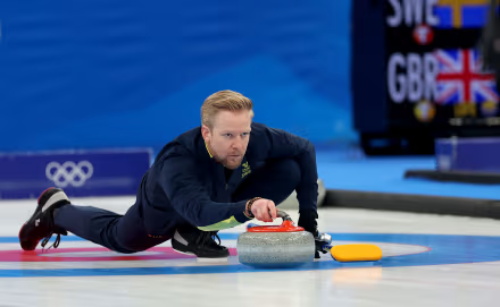
This growth has been fueled in part by intentional strategies from World Curling and its member federations to make the sport accessible beyond the limits of cold-weather nations. Part of this strategy includes the promotion of floor curling, an adaptation that replicates the core mechanics of the sport in environments without ice. Through global partnerships — such as the expanded collaboration with Rock Solid Productions — the Federation supports floor curling as a standard entry point for new participants. This off-ice version has been introduced into schools, community centers, and recreational spaces in over 60 countries, allowing people who have never stepped onto ice to engage with curling’s strategic and social appeal. Floor curling serves as both a grassroots recruitment tool and a bridge to on-ice involvement, breaking down climate and infrastructure barriers that once restricted the sport’s spread.
On the competitive side of the game, national championships and organized tournaments are emerging in places where curling was formerly unknown. Countries such as Türkiye, India, Chinese Taipei, and Korea have staged their first national floor or ice curling championships in recent seasons, creating local competitive platforms that supplement global events and help cultivate homegrown talent. These efforts are significant not only because they expand participation but because they normalize curling within local sporting ecosystems where winter sports have historically held little sway.
Impact of International Competitions and Media Exposure
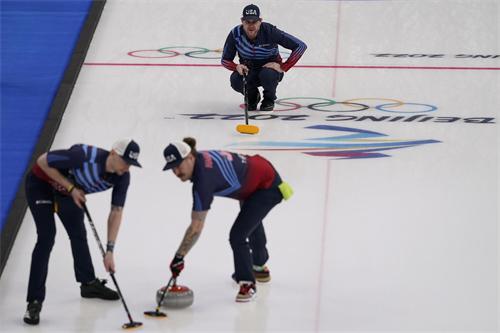
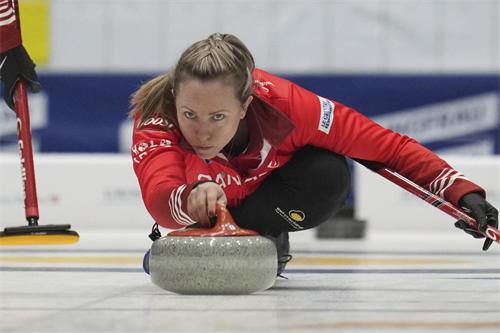
The role of the Olympic Games has also been instrumental in curling’s global trajectory. Curling was first featured in the 1924 Winter Olympics but then disappeared from the official program until returning at Nagano in 1998, a moment that marked the beginning of a major international surge in visibility, participation, and investment. Since its modern Olympic inclusion, curling has appeared in every Winter Games, including Milano-Cortina 2026, its ninth Olympic staging, with competitions in men’s, women’s, and mixed doubles disciplines. Broadcast exposure from the Olympics reaches billions of viewers worldwide, significantly expanding the sport’s profile outside of its traditional heartlands and introducing it to new demographics. According to World Curling officials, Olympic coverage has brought the sport to an additional more than one billion people globally — a level of exposure that few winter sports outside of figure skating or alpine skiing can claim.
The Olympic platform has also translated into financial and developmental support for national federations, enabling investment in everything from grassroots programming to high-performance athlete development. For smaller curling nations, Olympic visibility often provides leverage for funding, sponsorship, and domestic media attention that would otherwise be difficult to secure. In the United States, for example, local clubs such as the Kansas City Curling Club have experienced dramatic surges in participation closely tied to Olympic visibility, with hundreds of new participants joining lessons and leagues in the months following Games coverage. That kind of post-Olympic momentum is now becoming common in countries with emerging curling scenes, helping to cement the sport’s presence far beyond traditional strongholds.
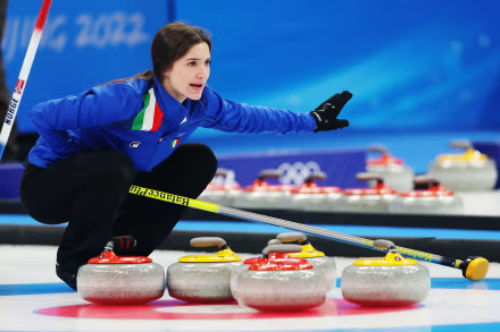
Economic trends also reflect curling’s widening footprint. The global market for curling equipment and indoor curling facilities is growing, driven by increased interest among recreational players and rising investment in sporting infrastructure. While North America and Europe remain the largest regional markets, the Asia-Pacific region — led by China, Japan, and South Korea — is witnessing the fastest growth, with substantial increases projected in market share as government initiatives and consumer interest boost participation and facility development. This growth is not just a reflection of expanding demand for gear; it indicates that curling is becoming woven into broader recreational and competitive cultures in regions that once placed little emphasis on winter sports.
Curling’s rising profile also owes something to the evolution of the sport’s competitive formats and accessibility pathways. The World Curling governing structure has implemented changes to broaden participation opportunities, such as expanding world championship formats and restructuring qualification systems to include more global competitors. These changes aim to give emerging nations clearer routes to compete on the world stage, making it easier for teams from non-traditional countries to earn international ranking points and Olympic qualification places — a shift designed to democratize access to elite competition.
Yet even as curling grows globally, the sport retains deep connections to its roots. The discipline’s rich history, often traced back to frozen lochs in Scotland in the 16th century, remains a touchpoint for its identity and tradition. Equipment and techniques developed in those early days have evolved dramatically, but the core strategic essence — a blend of precision, teamwork, and tactical nuance — continues to define the game internationally. Its spirit of fairness, where athletes are expected to call their own fouls and uphold sportsmanship, remains a hallmark of the curling ethos and a factor that attracts participants seeking a sport with distinct cultural values.
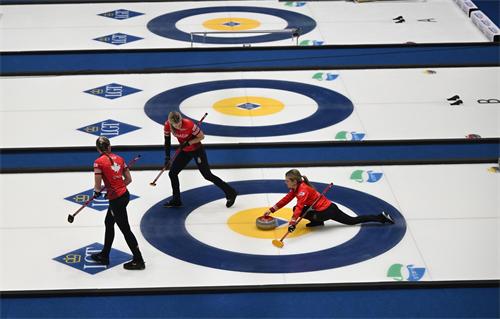
The result of these intersecting trends is a sport that feels both timeless and progressive — one that honors tradition while embracing innovation, growth, and inclusivity. Curling’s expansion into new regions, its adoption of creative participation strategies like floor curling, and the powerful visibility afforded by Olympic inclusion all play into a broader narrative of globalization. This narrative isn’t one of forced proliferation but of organic growth rooted in community, competition, and connection — a sport once confined to icy corners now embraced by athletes and fans from near-equatorial nations to high mountain regions.
Although challenges remain, such as the continuing need for dedicated facilities in emerging markets and the task of sustaining interest between Olympic cycles, curling’s trajectory is unmistakably upward. From new member federations joining World Curling to historic competitive achievements by teams from diverse nations, the sport’s evolution reflects more than just expanding participation — it reflects a genuine shift toward global relevance. Over time, curling may well redefine what it means to be a “winter sport,” not as an activity bound strictly to cold climates but as an international discipline that thrives wherever people choose to gather, compete, and celebrate a shared love of the game.
About the Author:
Marcus Ellery is an award-winning international sports writer specializing in winter sport trends, Olympic culture, and grassroots athletic development. With over 15 years covering global sporting events for magazines such as Global Sports Review, Winter World, and The Olympic Journal, Alex has reported from venues on five continents and written extensively on the evolution of niche sports into international phenomena. A graduate of the University of British Columbia with a master’s degree in Sports Studies, Alex blends on-the-ground reporting with deep analytical insight into sport governance and participation trends. When she’s not chasing the next big story on snow or ice, she’s a visiting lecturer on sport globalization and cultural impact at universities around the world.
References:
[1] World Curling. (2026, February). The Olympic impact behind Curling’s worldwide rise.
[2] Francs Jeux. (2025, December 22). Argentina becomes the 77th member of World Curling.
[3] BVM Sports. (2026, February). The Olympic impact behind Curling’s worldwide rise.
[4] sportsin.biz. (2025). Türkiye and other pathways in World Curling’s growth.
[5] World Curling. (2024, January 5). World Curling to promote floor curling globally.
[6] DataIntelo. (2026). Indoor Curling Market Research Report 2033.
[7] Cognitive Market Research. (2025). Curling equipment market insights.
Recommend for you:

Drone Racing Breaks Attendance Records Across European Cities
In the past decade, drone racing has evolved from a niche hobby into one of the most exhilarating spectator sports in the world.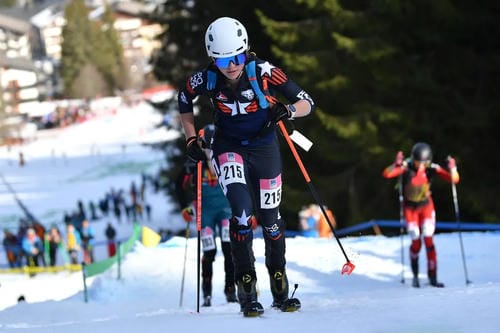
Ski Mountaineering Becomes a Defining Force in Winter Sports
When the 2026 Winter Olympics in Milano-Cortina released its competition calendar, winter sports enthusiasts witnessed a landmark moment: ski mountaineering — commonly called skimo — made its official Olympic debut.
Wearable Technology Predicts Athlete Injuries Before They Happen
In the world of competitive sports, injuries have always been a major concern. Athletes push their bodies to extremes, testing endurance, strength, and agility.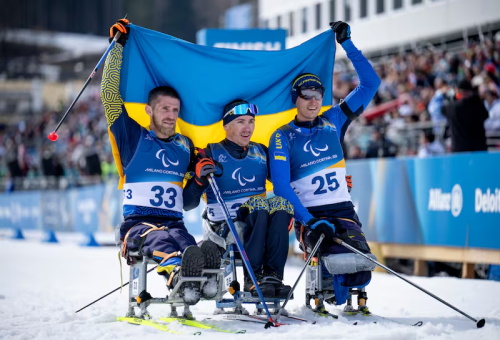
Triumph on Ice and Snow: Highlights from the 2026 Winter Paralympics
The 2026 Winter Paralympics in Milan and Cortina d’Ampezzo offered an unforgettable display of skill, resilience, and determination, cementing the Games’ status as a premier global sporting event.