
Wearable Technology Predicts Athlete Injuries Before They Happen
Transforming Athlete Care Through Technology
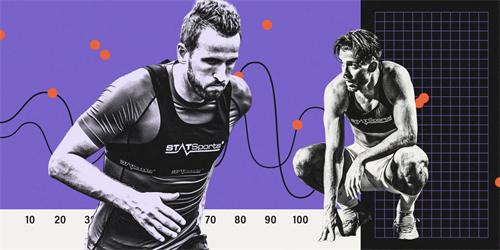
In the world of competitive sports, injuries have always been a major concern. Athletes push their bodies to extremes, testing endurance, strength, and agility. Traditionally, coaches, trainers, and medical staff relied on observation, experience, and reactive measures to manage injuries. However, advances in wearable technology are changing this approach dramatically. Today, athletes and teams are increasingly using wearable devices to monitor performance, biomechanics, and physical stress, enabling them to predict potential injuries before they happen.
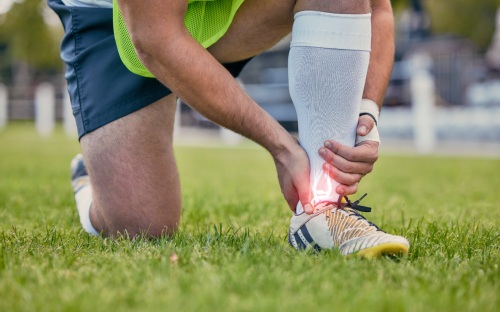
Wearable devices such as smart insoles, wristbands, and sensor-equipped clothing are now capable of gathering vast amounts of physiological data. Metrics such as joint strain, muscle fatigue, heart rate variability, and movement patterns are continuously monitored in real time. The analysis of these metrics can reveal subtle deviations from an athlete’s baseline performance that often precede injury. For instance, minor asymmetries in gait or repetitive stress on certain joints can indicate an increased risk for ligament or tendon injuries. By detecting these warning signs early, wearables allow athletes and trainers to intervene with targeted preventative measures, such as adjusting training load, modifying technique, or incorporating focused recovery protocols.

The integration of artificial intelligence (AI) and machine learning into wearable technology is further enhancing predictive accuracy. Algorithms trained on historical performance and injury data can identify patterns that might be invisible to the human eye. This predictive capability represents a major shift from reactive injury management to proactive prevention, creating safer training environments and extending athletes’ careers. Sports organizations ranging from elite professional teams to collegiate programs are beginning to adopt these technologies, seeing measurable improvements in injury reduction and overall performance.
Data-Driven Decision Making in Training and Recovery
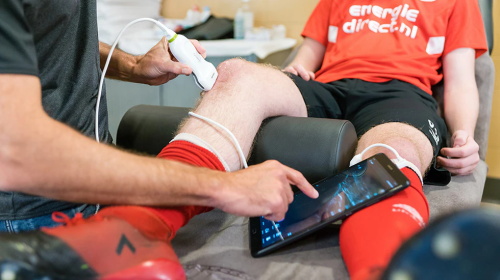
Beyond injury prevention, wearables are revolutionizing how coaches and medical staff make decisions regarding training and recovery. By continuously monitoring data streams, these devices provide actionable insights into an athlete’s physiological condition. Coaches can adjust training intensity in real time, reducing the risk of overtraining while optimizing performance gains. Similarly, medical teams can use wearable data to tailor rehabilitation programs, ensuring that athletes recover fully before returning to competition.
The granularity of data collected by wearables allows for highly individualized training plans. Two athletes performing the same exercise may experience different levels of stress depending on body mechanics, fatigue, and previous injury history. Wearables capture these differences, allowing training to be fine-tuned to each athlete’s unique physiology. Over time, this personalized approach reduces the likelihood of chronic injuries that often result from repetitive strain and imbalanced loading.
In addition, wearables offer a holistic view of athlete well-being. Sensors measuring sleep quality, heart rate variability, and stress levels provide a comprehensive picture of recovery and readiness. Sleep disruption, for example, is closely linked to impaired motor function and a higher likelihood of injuries. By monitoring these physiological factors, wearables allow teams to implement early interventions, such as modifying training schedules or emphasizing rest periods. This data-driven decision-making ultimately enhances both safety and performance, fostering a culture of proactive athlete care.
The Broader Implications of Injury-Predicting Wearables
The impact of wearable technology extends beyond elite sports. Amateur athletes, weekend warriors, and even youth athletes can benefit from these devices. By providing early warning signs of overuse and improper movement patterns, wearables help prevent injuries across all levels of physical activity. This democratization of predictive technology has the potential to reduce the overall incidence of sports-related injuries, which remains a significant public health concern globally.
Moreover, wearables are influencing the sports industry by reshaping the roles of coaches, trainers, and medical staff. Traditional experience-based approaches are increasingly supplemented by data analytics, creating new professional skill sets that merge sports science, data interpretation, and technology management. Teams are investing in personnel capable of interpreting wearable data and translating it into practical interventions, highlighting the growing intersection between technology and human expertise in sports.
While the promise of wearable technology is substantial, it is not without challenges. Data privacy, device accuracy, and cost remain important considerations. Athletes and organizations must ensure that sensitive health data is protected and that the devices used provide reliable measurements under varying conditions. Despite these challenges, the trajectory of wearable technology suggests a future in which injuries can be minimized, recovery times shortened, and athletic potential maximized.
As wearables become increasingly sophisticated, the vision of predicting injuries before they occur is becoming a reality. By leveraging continuous monitoring, AI-driven analytics, and personalized interventions, sports are entering an era of unprecedented safety and performance optimization. The integration of these technologies into everyday training and competition is redefining how athletes approach their careers and how teams manage health and performance, signaling a profound shift in the sports world’s approach to human potential and well-being.
About the Author:
Alexandra Greene is a sports science journalist with over a decade of experience covering innovation in athletic performance and technology. She has written for Athlete’s Edge and NextGen Sports, focusing on data-driven training, wearable technology, and injury prevention. Greene holds a master’s degree in Exercise Physiology and frequently collaborates with professional teams to translate cutting-edge research into practical insights for athletes at all levels.
References:
[1] Smith, J. (2025). The rise of AI in sports performance monitoring. Sports Technology Journal, 12(3), 45–58.
[2] Johnson, L., & Patel, R. (2024). Wearable devices and injury prevention in elite athletics. International Journal of Sports Science, 18(2), 101–118.
[3] Brown, T. (2025). From reactive to proactive: The new era of athlete health management. Journal of Sports Medicine, 22(5), 210–225.
[4] Davis, M., & Thompson, K. (2023). Monitoring fatigue and biomechanics with smart wearables. Sports Health Review, 11(4), 78–92.
[5] Williams, A., et al. (2024). The role of predictive analytics in reducing sports injuries. Journal of Athletic Training Science, 9(1), 33–49.
Recommend for you:

Parkour Competitions Are Rapidly Transforming Into a Globally Recognized and Widely Sponsored Athletic Spectacle
Parkour, once a grassroots movement of urban enthusiasts vaulting across rooftops and dodging obstacles for the thrill of it, has rapidly evolved into a structured, internationally recognized sport.
Competitive Rock Skipping Becomes a Global Sporting Phenomenon
In the world of sports, some disciplines soar with high-speed action, dramatic finishes, and global recognition, while others quietly carve out their niche, captivating a passionate yet devoted audience.
Competitive Cheese Rolling Remains One of the Most Thrilling Traditional Sporting Spectacles
Every year, on a steep hillside in Gloucestershire, England, participants gather for an event that seems almost absurd at first glance: they chase a wheel of cheese down a dangerously sharp slope.
How Virtual Reality Is Revolutionizing Athletic Training?
Athletic training has always been defined by the relentless pursuit of marginal gains—small improvements in performance that can make the difference between victory and defeat.