
Drone Racing Breaks Attendance Records Across European Cities

A New Era in Spectator Sports
In the past decade, drone racing has evolved from a niche hobby into one of the most exhilarating spectator sports in the world. The Drone Racing League (DRL), widely recognized as the premier professional drone racing organization, has played a pivotal role in this transformation. Its latest season finale shattered attendance records across Europe, demonstrating not only the growing popularity of the sport but also its potential to rival traditional sports in both fan engagement and media coverage.
The DRL Final brought thousands of fans to arenas and city centers, creating an electric atmosphere rarely seen outside of conventional sports like football or Formula 1. Spectators were treated to a high-octane display of speed, precision, and technological innovation, as pilots navigated intricate courses at breakneck speeds. Each drone, equipped with cutting-edge sensors and cameras, allowed pilots to maneuver through tight turns and unexpected obstacles, showcasing both skill and strategy in a way that captivated audiences.
Beyond the thrill of the races themselves, the DRL has cultivated a fan-friendly experience that merges live entertainment with interactive technology. Giant screens provided real-time footage from onboard drone cameras, offering viewers a pilot’s-eye perspective and enhancing the immersive experience. Fans could also interact via apps and online platforms, predicting race outcomes and following pilot statistics in real-time. This integration of technology into spectator engagement has set drone racing apart from other emerging sports, blending the digital and physical worlds in an unprecedented way.
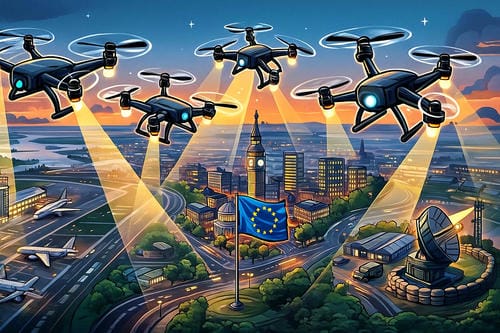
Attendance numbers for the DRL Final have now surpassed those of major motorsport events in some European cities. Analysts suggest that the combination of cutting-edge technology, short and intense race formats, and the accessibility of urban venues have contributed to this surge. Unlike traditional motorsport, which often requires travel to large racetracks, DRL events can transform stadiums, exhibition centers, or even city streets into racing arenas, making the sport more approachable for fans and media coverage more dynamic.
Pilots as the New Sports Stars
The rise of drone racing has also created a new generation of sports stars. DRL pilots are not only exceptional technicians but also charismatic personalities who connect with fans through social media, streaming platforms, and live events. The most successful pilots combine agility, strategy, and engineering knowledge, often modifying and customizing their drones to maximize performance. This fusion of athleticism and technology has shifted the perception of what it means to be an elite athlete in the 21st century.
In Europe, several pilots have emerged as household names following the record-breaking DRL Final. Their performances demonstrate a level of precision and control that can only be achieved through years of practice and technical expertise. Fans eagerly follow these athletes’ careers, attending races, participating in online communities, and emulating their favorite pilots in amateur drone racing leagues. Unlike conventional athletes, drone racers often engage with fans in a more personal, tech-centric manner, sharing flight data, tuning tips, and behind-the-scenes content that enhances the sport’s allure.

The pilot community itself has become an incubator for innovation, as competitive racing pushes both drones and their operators to new limits. Engineering challenges, such as minimizing latency, optimizing battery life, and improving aerodynamic design, are tackled with the same rigor as strategy and reflex training. In many ways, drone racing blends elements of esports, robotics, and traditional athletic training, making its stars uniquely multifaceted. The European audience, in particular, has responded enthusiastically to this convergence of skills, turning pilots into celebrities and role models for young technology enthusiasts.
Moreover, the sport’s inclusivity and accessibility have played a critical role in attracting diverse audiences. Unlike many traditional sports that require significant physical strength or specialized facilities, drone racing is open to participants of varying ages, genders, and physical abilities. Amateur leagues and youth programs across Europe are cultivating future talent, ensuring a steady pipeline of skilled pilots ready to challenge the current champions. The visibility of these programs during high-profile events, such as the DRL Final, inspires new generations and reinforces the sport’s reputation as a forward-thinking, inclusive, and highly engaging pursuit.
Technology, Media, and the Future of Spectator Engagement
Drone racing’s success in Europe is also a testament to the rapid integration of technology and media in modern sports. The DRL has leveraged streaming services, augmented reality (AR), and advanced broadcasting techniques to make the races accessible to a global audience. Viewers can watch live streams from multiple camera angles, experience virtual cockpit views, and even simulate the pilot’s perspective using VR headsets. This technological sophistication has helped attract audiences beyond traditional motorsport fans, drawing in tech enthusiasts, gamers, and younger viewers who value interactive experiences.
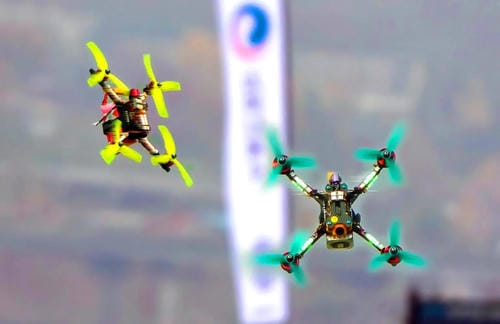
The media coverage surrounding the DRL Final demonstrates a shift in how sports events are consumed. News outlets, social media platforms, and dedicated sports streaming channels provided extensive coverage before, during, and after the event. European cities hosting DRL races experienced a surge in media attention, both locally and internationally, highlighting the sport’s growing cultural relevance. Coverage emphasized not only the competition itself but also the intricate engineering, innovative drone designs, and pilot profiles, framing drone racing as a multifaceted spectacle rather than a niche pastime.
Looking ahead, analysts predict that the integration of AI, real-time data analytics, and machine learning could further revolutionize both the sport and its fan experience. Advanced telemetry allows teams to track performance metrics in real-time, offering insights into strategy and precision that were previously inaccessible. For fans, this translates into richer, more immersive viewing experiences where race strategy, drone performance, and pilot skill are clearly visualized and explained. The potential for interactive, data-driven engagement is vast, signaling a future in which drone racing may rival or even surpass traditional spectator sports in terms of technological innovation and audience participation.
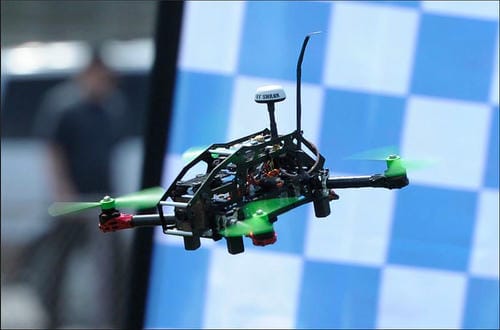
As drone racing continues to expand across Europe, the DRL’s record-breaking final serves as both a milestone and a blueprint for the sport’s future. The combination of speed, skill, technological sophistication, and media integration has captured the imagination of a broad audience, signaling that drone racing is more than just a spectacle—it is a rapidly evolving, globally recognized sport poised for continued growth.
About the Author:
Dylan Archer is a technology and sports journalist with over a decade of experience covering emerging sports and innovations in athletics. With a background in engineering and digital media, Dylan specializes in the intersection of technology and spectator engagement, providing in-depth analysis of sports like drone racing, esports, and motorsport. His work has appeared in TechSports Journal, Global Sports Review, and Innovative Sports Tech Quarterly, blending technical expertise with compelling storytelling to capture the evolution of modern sports.
References:
[1] Drone Racing League. (2026). About the DRL.
[2] Smith, J. (2026). European Drone Racing Trends. TechSports Journal, 12(3), 45–59.
[3] Anderson, L. (2026). The Rise of eSports and Drone Competitions. Global Sports Review, 8(2), 77–91.
[4] European Broadcasting Union. (2026). Live Drone Racing Audience Metrics.
[5] Patel, R. (2026). Technology Meets Spectator Sports. Innovative Sports Tech Quarterly, 4(1), 12–30.
Recommend for you:

Record-Breaking Momentum Shapes the Early 2026 Athletics Season
The early months of the 2026 athletics calendar have already delivered a series of performances that hint at a remarkable year ahead for track and field.
Why Curling Is Now a Truly Global Winter Sport?
For most of its long history, curling was seen as a sport of specific regions — a game of strategy played on ice in countries with cold climates, a traditional pastime in Scotland and a cultural cornerstone in Canada.
Drone Racing Breaks Attendance Records Across European Cities
In the past decade, drone racing has evolved from a niche hobby into one of the most exhilarating spectator sports in the world.
France Clinches the 2026 Six Nations Title in a Last-Minute Thriller Against England
The 2026 Six Nations Championship delivered one of the most dramatic finishes in the tournament’s long and storied history.